How Bimma Williams Got Collabs Down to a Science
PublishedThis content may contain affiliate links. If you make a purchase through these links, we may earn a commission.
Putting together a list of the best anything at the end of the year is nearly impossible. No matter what, commenters are going to come for you when their personal favorites aren’t included. Feelings will be hurt, your credibility will be questioned, and your spot on the seeding list will be at risk.
But what if it didn’t have to be that way? What if it wasn’t just an arbitrary list made up of one person or a couple of people’s opinions? What if it factored in the voice of the people en masse, and was backed up by hard data that reflected what actually happened in sneaker culture IRL, not just on Twitter? Sure, Undefeateds and Nigel Brick By Brick 4s and Awake 5s and Pharrell’s Jellyfish dominated the conversation for much of the year, but which one really reigned supreme?
That’s what brand consultant and collab expert Bimma Williams wanted to figure out. The Bimma Collab Consultancy founder and former Nike, YEEZY, and Saucony mover-and-shaker has long been an authority on the subject of brands coming together to make something special… or not so much. You can regularly find him on Instagram saying what we’re all likely thinking but won’t say, ripping brands to shreds for questionable choices and shining a light on the projects that truly deserve it. His audience, the “Collab Cousins,” has grown immensely over the last couple of years as the content has become a litmus test for branded partnerships across the sneaker and streetwear space.
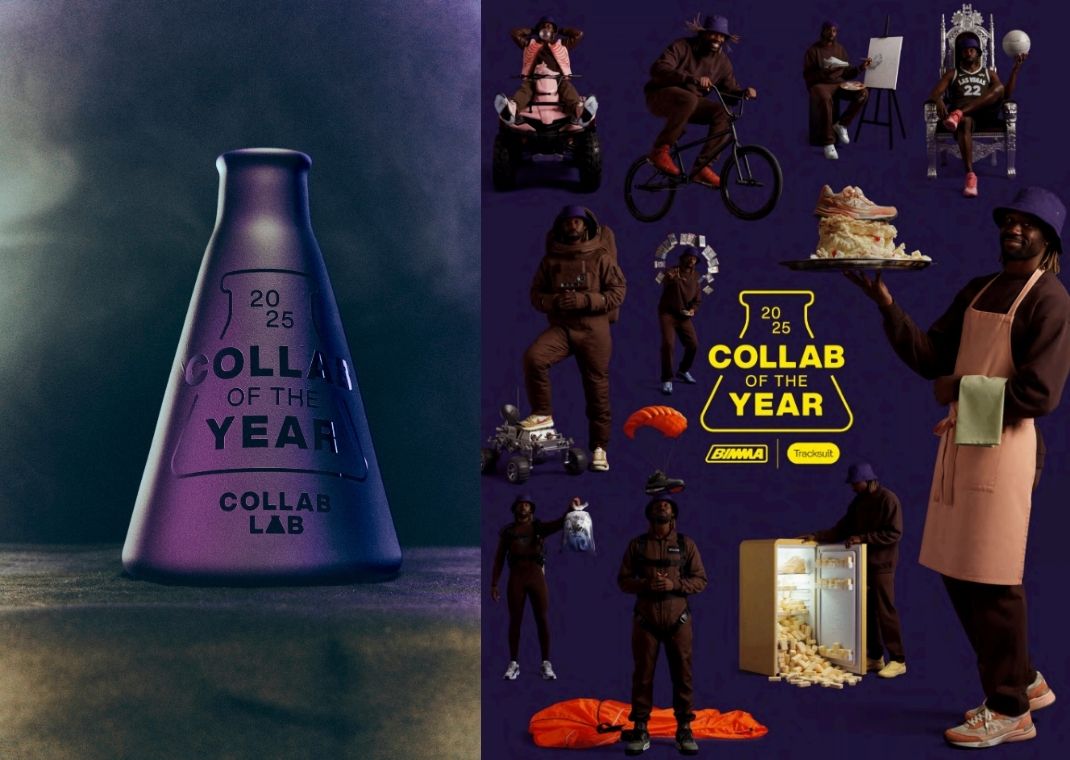
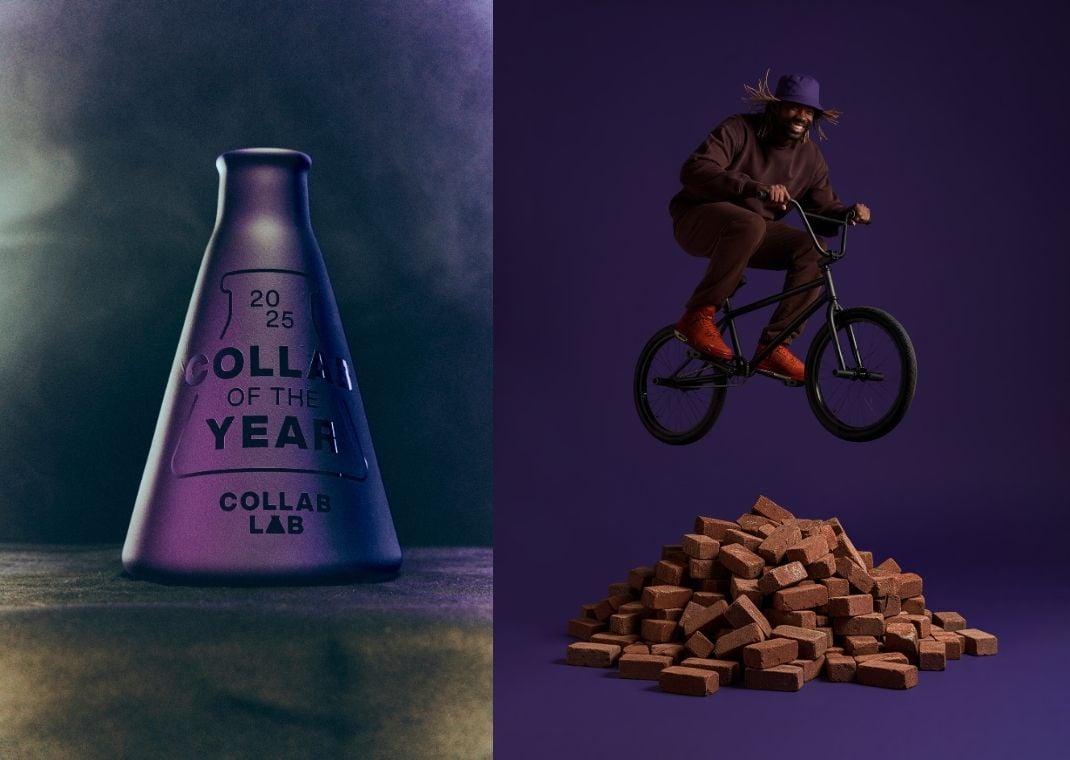
To close out this banner year of sneakers, Bimma aimed to do what had never been done before: actually rank the best collabs of the year and back it with real numbers to reflect not just what tastemakers prefer but what actual consumers supported. By partnering with brand data analysis firm Tracksuit, Bimma was able to come up with a novel scoring system that took into account six defining characteristics to boil down which projects resonated most across all of sneaker culture.
The scoring system is called the COLLAB Index:
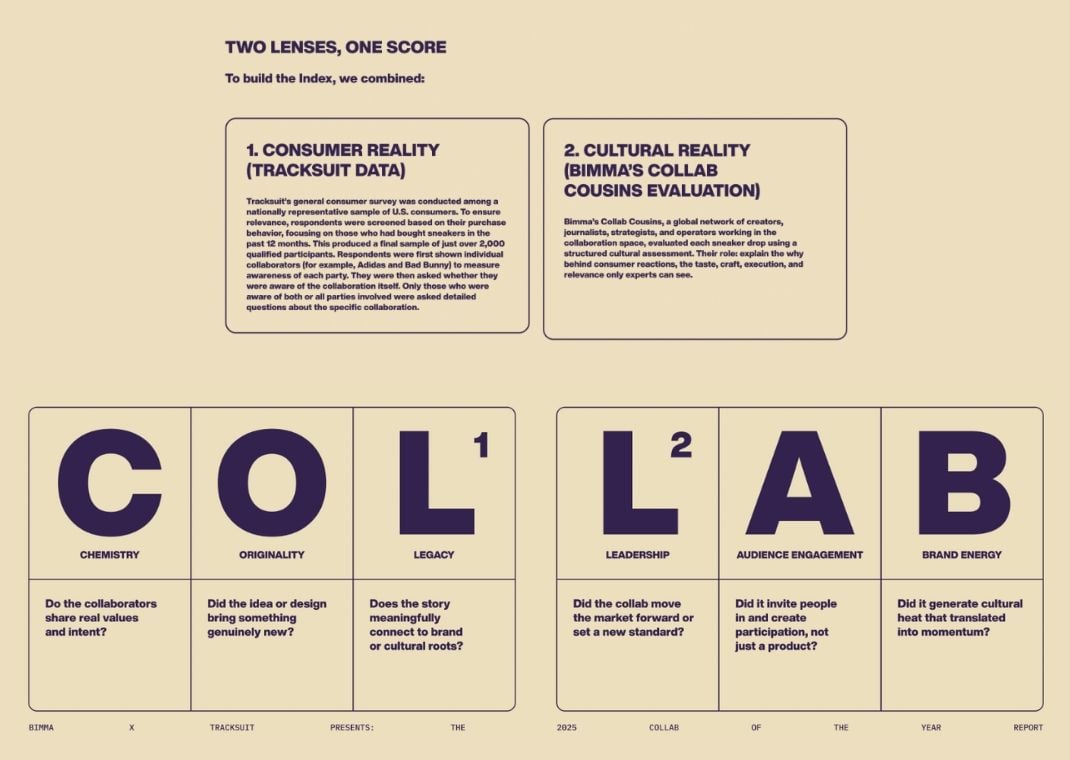
By quantifying a brand’s thoughtfulness and originality in their process for releasing collaborative product, and pairing it with the audience’s engagement with it, plus the energy the project created around the brand, we see a more holistic picture of how successful a collab really was. We’re not just relying on one talking head’s take on a podcast to decide who had the most dominant year anymore, we can see on (digital) paper who really did.
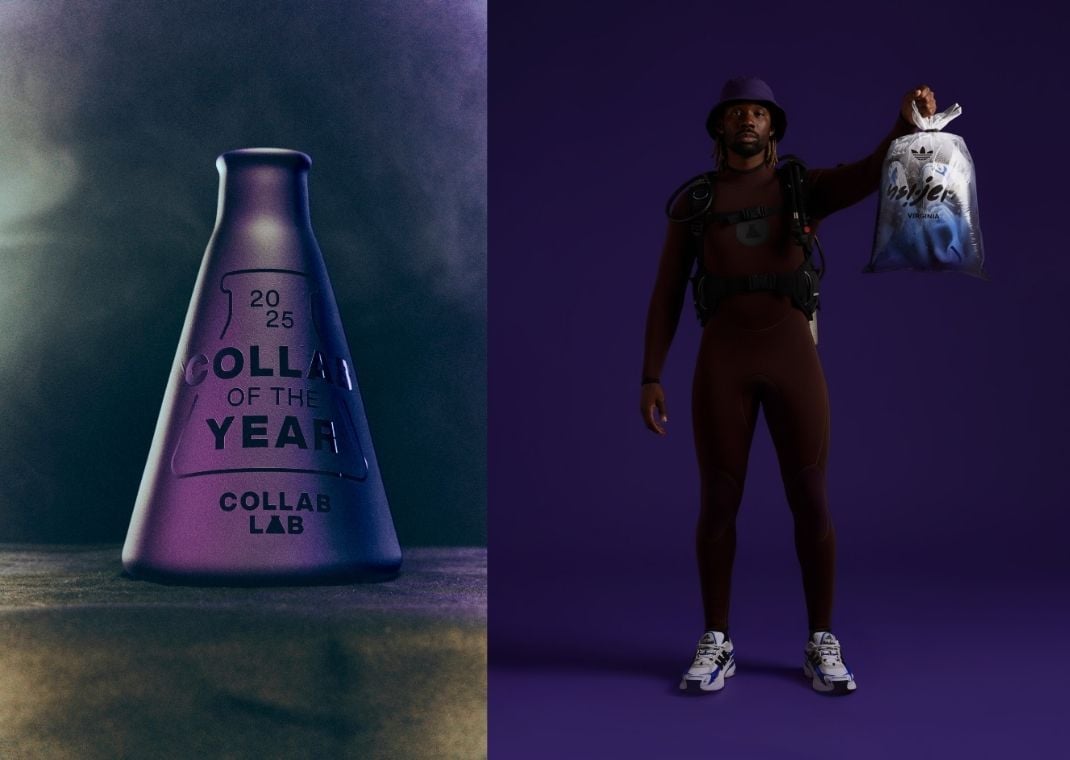
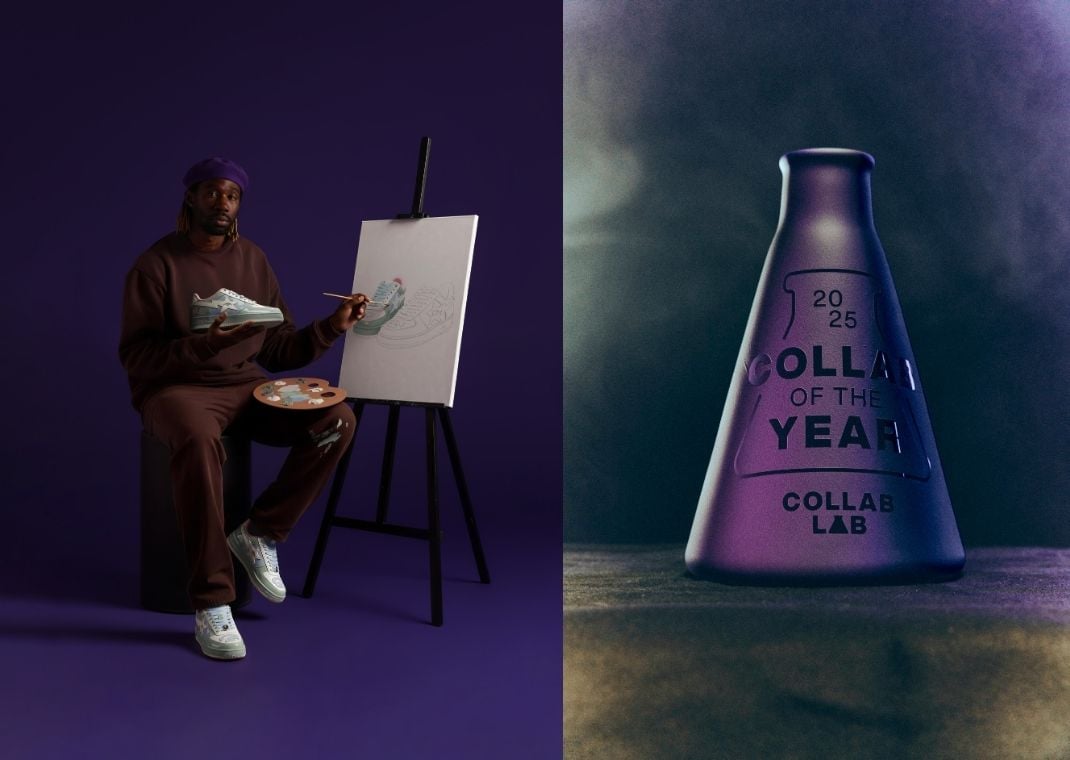
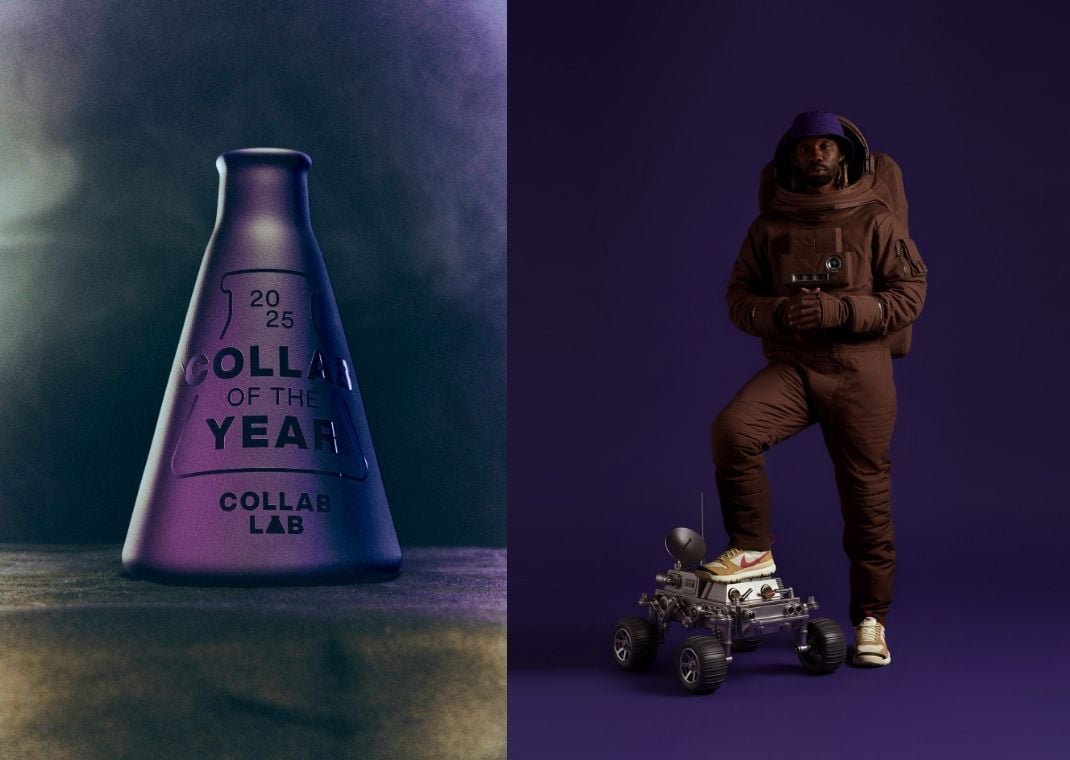
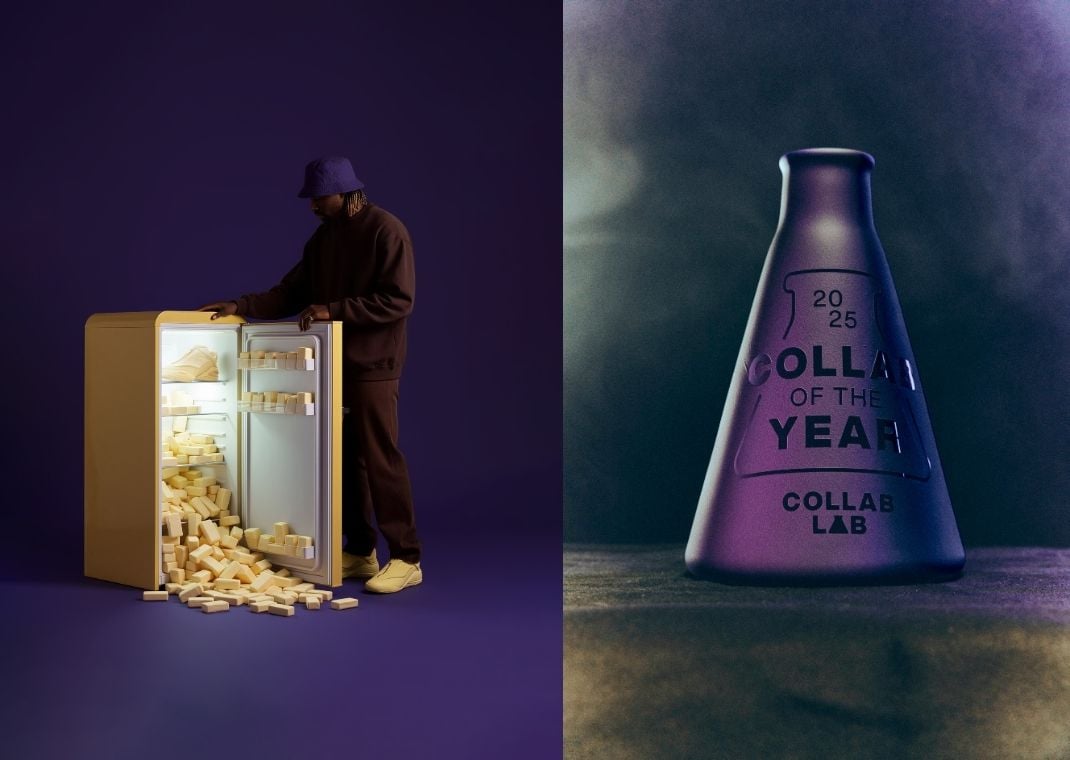
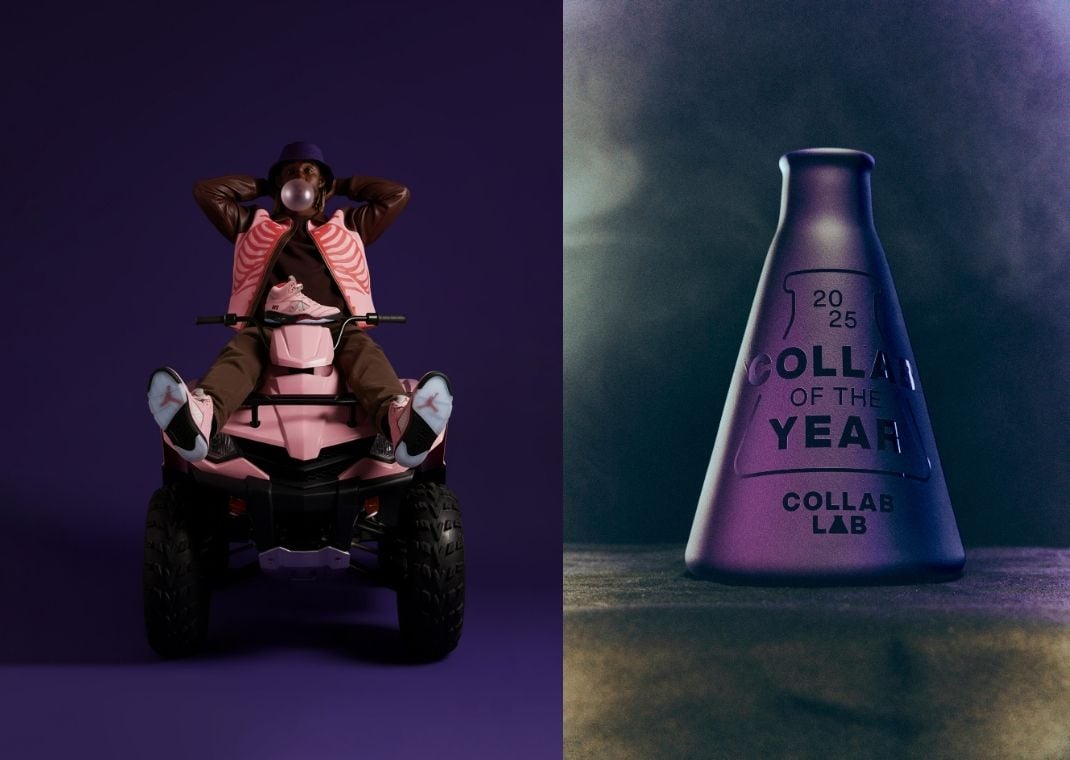
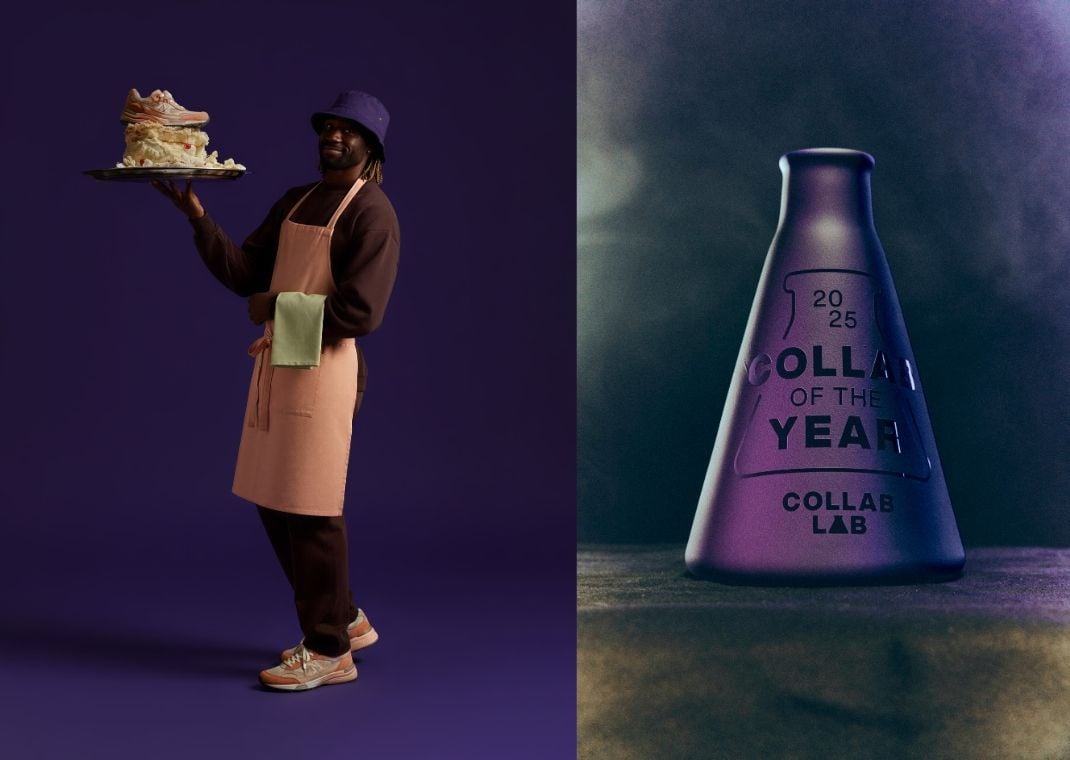
I caught up with Bimma in between diaper changes for his newly born son to ask him how the hell he had time to do all this COLLAB Index stuff and then also nerd out with me for a couple hours on it, among other sneaker-related questions. You can figure out which collabs made the list by the photos we share, but make sure you check out the full report on Bimma’s site and enjoy a 30-minute video where he explains the in-depth process behind the COLLAB Index.
DREW LONDON: Bimma, how are you? I appreciate you taking the time.
BIMMA WILLIAMS: I'm good, man. Excited to connect with you. I'm excited about this report. And also we just, it's just been busy. I just had a kid. So I'm also just like figuring out life as a dad over here. So, things are good.
DL: Congrats! That's the ultimate collab.
BW: [Laughs] Hey, hey, that's it. Look, I'm excited about this report. Like that's professionally the most exciting thing I'm doing right now. But personally, my life is getting back to Babyboy.
DL: I love it. I mean, you and I had chatted briefly on social about doing an interview and I'm actually glad we waited because this report is really cool, and needed, because there are a lot of end-of-the-year rankings of sneakers and collabs. We've already had one major one this year where there was a lot of discourse around how there wasn't enough transparency with it. People feel like their voice wasn't really heard. And this stuff can all be so arbitrary with personal taste involved, etc. So, what made you want to dive into the nuts and bolts of quantifying what makes collabs successful?
BW: Yeah, I mean, you hit a large pain point of mine right on its head. You know, I think the reason I understand the sentiment so much is because I am a consumer, too, right? I think both of us share that passion and deep interest in sneakers beyond what it is as a product, but more so probably community and also the stories and the meaning behind it. And so when I see a lot of end-of-year lists, I just feel that—as someone who has done a collaboration before—like, man, we're missing the same intent that goes into a lot of these projects when it comes to how we rank and talk about these projects. I felt like the conversation wasn't as in-depth as it should be for the impact these projects have in the marketplace. And on top of that, I thought any conversation, any debate, anything should at least be grounded in some sort of parameters and criteria so that we aren't just talking out the side of our necks, essentially just talking shit.
So how do we go about doing that? My whole background has been working in partnerships. It has been working at sneaker and fashion brands and internally, there is thinking about how we work with these partners and what we want to accomplish to try to avoid looking like we were clout chasing or putting something in the marketplace that, frankly, no one cares about. Last year, I made the first step and created a Collab Framework that looks at six different dimensions to kind of have a guideline. That starts at chemistry, goes into originality, goes into legacy, which is mainly about how these two partners connect. Leadership, which is about innovation, there's audience engagement, and then there's brand energy. And so that was a good step, but it was still missing something.
So, that led to Tracksuit. One of the things that was missing was I still wanted to put data into the mix, so that we could have a cultural taste conversation, and we could also have some sort of data to also allow us to bring those together, to see how those areas overlap, and what the differences are. I got connected to Tracksuit through a colleague. She used to work at this tech company, and she said, “Hey, I want you to meet my friend Connor. They have this platform called Tracksuit, and they've been tracking a lot of brand data. I don't know what y'all can do, but perhaps y'all can link up.” Now, Tracksuit isn’t like a deep sneaker collector company. What they are is a brand analytics company.
And that was interesting to me, and important to me, because I wanted a partner for this. One, to help elevate it, but secondly, I wanted to work with someone who was agnostic, so it wasn't sponsored by a sneaker brand, or an apparel brand, any of those things. We truly came together to build this report and we leaned on them heavily for their data, and that's what led to what we call the Collab Index. It's one part consumer data, and then the other part is the Collab Cousins weighing in on the same criteria.
DL: Anything surprise you about what showed up in the data?
BW: Oh my god, yeah. Because the data looks at consumers of sneakers, as part of it, 2,000 people. These might be folks that are not aware of some of the collaborators in some instances. That was surprising to me, because you and I, we live in this space. We're not casual onlookers just walking into certain stores twice a year, we’re like ‘what happened yesterday, what happened last week?’ We're in the weeds on this thing, and so stuff that would surprise me would be looking at some of the awareness numbers of some of the projects as far as the general consumer. When I looked at the A’ja Wilson project, for example, the consumer awareness on that was like 25% versus it being 80%, right? But when you get both of those coming together, the people who are aware of A’ja, aware of Nike, and aware of that project come together, then awareness is jumping up to literally in the 80s. So that, to me, was the most surprising, how those numbers jump up, when you look at both sides, because, you know, to us, I would argue everybody knows this happened.
DL: Totally. And when you talk about a brand like Nike versus an ASICS or Saucony. You have to think, knowing how well the A’One sold, that there is probably a decent amount of people who just went to Nike.com to buy their kids or whoever a pair of basketball shoes, liked the colors, bought the shoes, and still have no awareness of the context around what the shoe is, whose shoe it is. And you probably don't have that happen as much with smaller brands. I thought that was really interesting with the awareness and pairing it with the perception of value and things like that.
BW: Truly, and you hit it with the smaller brands, it's even harder, right? Like, it's harder for them to gain the awareness that they are putting out projects, because everyday people are just like, “I know Nike, Hoka, Adidas, On, New Balance” and that's what they know. They don't know the fact that Saucony’s got this whole division coming up with really cool projects, but they're like, in general.
DL: Yeah, I just got sent the Babylon and Brooks collab. It's the first pair of Brooks I've ever had, and I put them on, and I'm like, ‘I should have had a pair of Brooks before this, they're great.’ But I would have never gotten them without having the awareness of Babylon, so the collaboration is so much more important for the small brands who need that introduction into other pockets of culture where people aren't as aware of them.
BW: I think that's the hardest part, is to get the awareness, because if we're looking at something like brand energy, you can't say that Saucony didn't have a great year, especially when you see the chatter around Westside Gunn, right? Like, that is very impressive. But then when we look at it cumulatively, we understand how the numbers start to shift.
DL: What were the challenges in coming up with a scoring system for the collabs, and were there any components that were difficult to put a number on? Like, an ‘it' factor that you can feel but can't explain?
BW: Yeah, the challenge is always thinking, like, what did you miss? Is there an intangible thing to try to communicate that you just can't grab? The thing I always try to have present is audience engagement. For me, that's sentiment, like, did people feel really great about this? Did people not feel good about this? Is there an emotional attachment to this? We really wanted to try to get as close as we could to that with the audience engagement part of the framework. But it's always curious to see where that is, because that's a part that is very subjective to people. It is subjective to where you come from, what your background is, and, you know, the reason why you might resonate with Nigel Brick By Brick, but you may or may not resonate with the KidSuper Bapesta, and them using Kai Cenat and Ray, right?
When Jian DeLeon and I were looking at this report and working through it, we looked at what these things meant to different generations, because to my generation, we saw that project, we might look at it differently. But when we looked at the information and the sentiment from a younger generation, Kai's generation, they felt differently. What we see in the marketplace now, things aren't as emotionally holding to the younger generation as they are to millennials and Gen X when it comes to sneakers. Things are just cool to them, and they don't really care to the degree that other generations do. It's not a part of their identity.
DL: One component that I kept thinking about as I looked at what was on the list, as well as what wasn't on there was fatigue, and obviously the letter F doesn't factor into the word collab, so I could see why it was left off. But when I look at a Travis Scott Jordan 1 Low, where the most recent one with fragment set records for raffle entries, it screams to me that people are going after it solely to post that screenshot that they Got Em, and then likely flip them for two grand or whatever it is. The percentage of people getting them that want to have them and wear them in the beginning versus now is probably far less, and to me, that's fatigue. When does a brand decide to switch it up, even if a project is still technically successful?
BW: When I look at our framework, I would put fatigue in the audience engagement bucket. But when it comes to the Travis Scott Jordan 1 Low in particular, this is a funny one because, right, we would say fatigue. I think we have to look at the different audiences, and I think the easiest way to do that is for us to look at the consumer journey. The Travis Scott Jordan 1 is at the stage of late adoption. It is mass market, awareness is at the ceiling, and you have guys that work on Wall Street wearing this and going to play golf at lunch. Like, it's reached that pocket of, ‘I just want to feel like I'm cool, like I'm a part of the conversation.’
Now, when we talk about where those trends begin, the early adoption is with the innovative and visionary audience. I would agree with you that's where the fatigue is at its highest. That audience, in particular, doesn't want to be close to a Jordan 1 Low. And so, for a brand like Jordan and Nike, that's why they released those signatures with Travis, to figure out how to restart the next thing? Because we know it’s not if, it's when the Jordan 1 Low falls off a cliff, what is next for Jordan and Travis Scott? From a business standpoint, how do you replace the volume, how do you replace the interest? Jumpman Jack didn't quite do that, and so they have to figure that out.
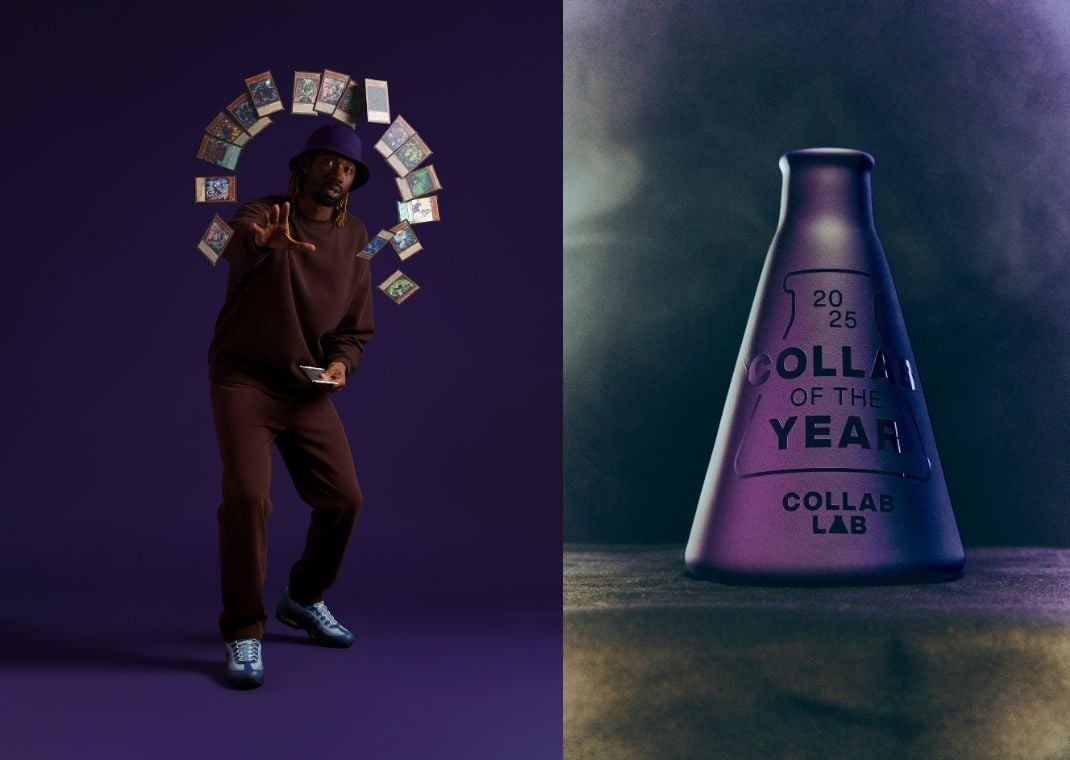
DL: As we've gone down the rabbit hole of collaborations the last decade-plus, the vast majority are intertwined with licensed IP. It wasn't always like that, but it's really become that way. But they really didn't show up on this list, save for Yu-Gi-Oh! Because they make up the vast majority of what is happening in the collaboration space, both inside and outside of sneakers, what can brands do to more thoughtfully engage these properties so the end product feels more meaningful?
BW: Yeah, you know, Mel, who's the VP of atmos, had a very passionate take about this, and I agree with the sentiment. You know, when you're dealing with licensed IP, it can feel pretty watered down, because there's so much red tape. You and I know, there's so much red tape with what you can do with those graphics and designs because they have been used for years, and they don't want to mess with the identity. So, you are limited to a degree. The reason why I think the Yu-Gi-Oh! project scored so highly is because they were actually authentic to the IP and they released it in a really interesting way in Japan and the U.S. I thought they were really strategic, splitting the colorways, and the packaging was great. It kind of does mimic some of what we've seen from some of the other collabs that leveraged that strategy, like Kith and Marvel. I think it comes down to having the discipline to be as true to that fan as possible, to the audience that loves that IP, right? Sometimes, comic fans are more particular than sneaker fans, they're very specific about the grading, the colorways, how it's applied, how it's released, how the story's told.
I thought Dot Swoosh did a great job being intentional about how they went about the Yu-Gi-Oh! collab and I think that's how folks need to think about it. What is going to be most meaningful to a community, not what's going to be most visible. Because I do believe there is a world where those two things can come together, and you can have lightning in a bottle where there is spectacle, but it is also meaningful to folks in the marketplace. And we can see a number of examples of that through the years, look at Virgil and Nike and The 10. That is the perfect scenario of visible and meaningful. Lightning in a bottle.
DL: I thought it was interesting you included the Shai Converses and the Nike A’Ones, A’ja Wilson’s shoe. Both were incredible debut signature sneakers, impacted the culture in a really major way, but it struck me as odd to consider them collabs because they're Converse and Nike athletes, respectively. So what made you want to include them as collabs, and did you consider LeBron, KD, Ja Morant, or Anthony Edwards in the running?
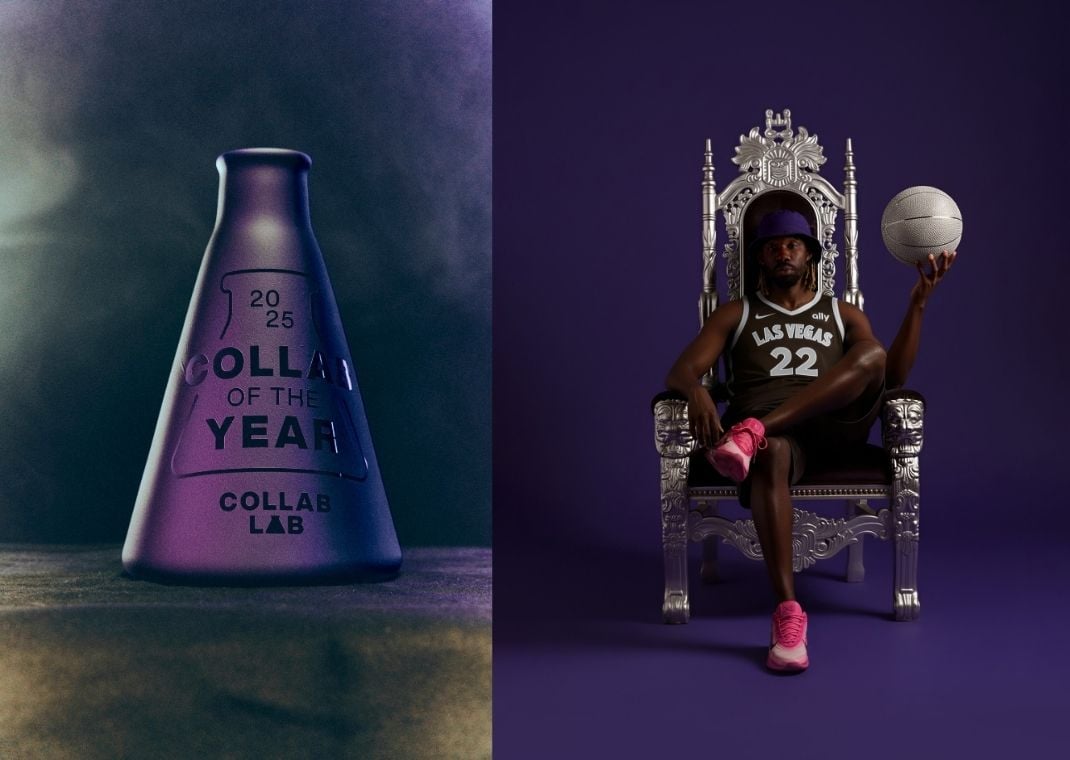
BW: Yeah, totally. All of those were considered. The way I define collabs are external entities partnering with internal entities. So, whether it's an athlete, a musician, a designer, they are not working at Nike. Their main gig is outside. Bron is a hooper. Shai, hooper. A’ja, hooper. Travis, musician. JaeTips, designer. So when we look at it, those are outside entities coming together with a brand to create something they couldn't create on their own. The way that those things happen are all the same internally, consistently across every brand. Now, of course, we have subcategories where we'll call it a signature sneaker, or that's an artist collab, that's different. Totally fair points, in that regard.
Now, as far as where they show up has everything to do with just how they scored. The A’One and the Shai 001 scored so significantly high, and it had a lot to do with hitting a lot of things people hadn't seen in a long time. When you look at the A’One, it’s only the second time a Black woman has had a sneaker from Nike. There was cultural context around people believing she should have been had a signature, and feeling like Nike was being reactive to a conversation surrounding Caitlin Clark. So, when it finally came to the marketplace, it's in the data that you had an audience of Black and African American consumers who finally felt like, ‘yes, I want this sneaker from Nike and A’ja.
And then on the Shai and Converse side of things, again, another situation of perfect storms, because you have these MVPs who are actually the best at what they're doing in the league, and they have a signature seeker that looks really good, and people actually want it, right? It's a bucket that you think would be easier to hit, but it is rare these days that those things actually are lining up. For example, I love Ant Edwards, I love the energy, but Ant still isn't winning, you know? What's the last Converse basketball sneaker that you can name off the top of your head, Drew, without having to go do the research?
DL: Yeah, we're talking ‘80s with the Weapon, Magic Johnson?
BW: It's crazy, I mean, they had some stuff with Draymond, but I don't know, we don't know, no one knows.
DL: For brands like Converse, who maybe don't get brought up in these conversations and are experiencing their first taste of breakthrough impact in a while, how do they maintain that momentum into next year and capitalize on it? How do you balance taking risks with staying true to brand identity?
BW: This is the part where brands have to get real with themselves. You can't be one foot in and one foot out. You can't think that you have all the time in the world, and you can't think that because you did something really well that the consumer owes you something. We're not in that marketplace. We are in an interest marketplace, and you have to keep things interesting. To me, Converse has to figure out how to get 360 around Shai. They have to figure out how the Shai property stays omnipresent, and they have to figure out different ways to keep people interested in that product, whether it's via Shai, via their brand, or creating a cast of characters who surround Shai. Continue to expand that universe if you want people to be interested, and it has to be more consistent. Personally, I think they're pretty quiet right now.
DL: Speaking of old things coming back, everything on the list felt new and fresh, except the Undefeateds, and it was a long time coming on those, unless you were one of the 72 people who had them before. That was kind of a trend this year, reviving long-lost grails and letting fans finally check them off their bucket list. But why did the Undefeated 4s transcend everything else?
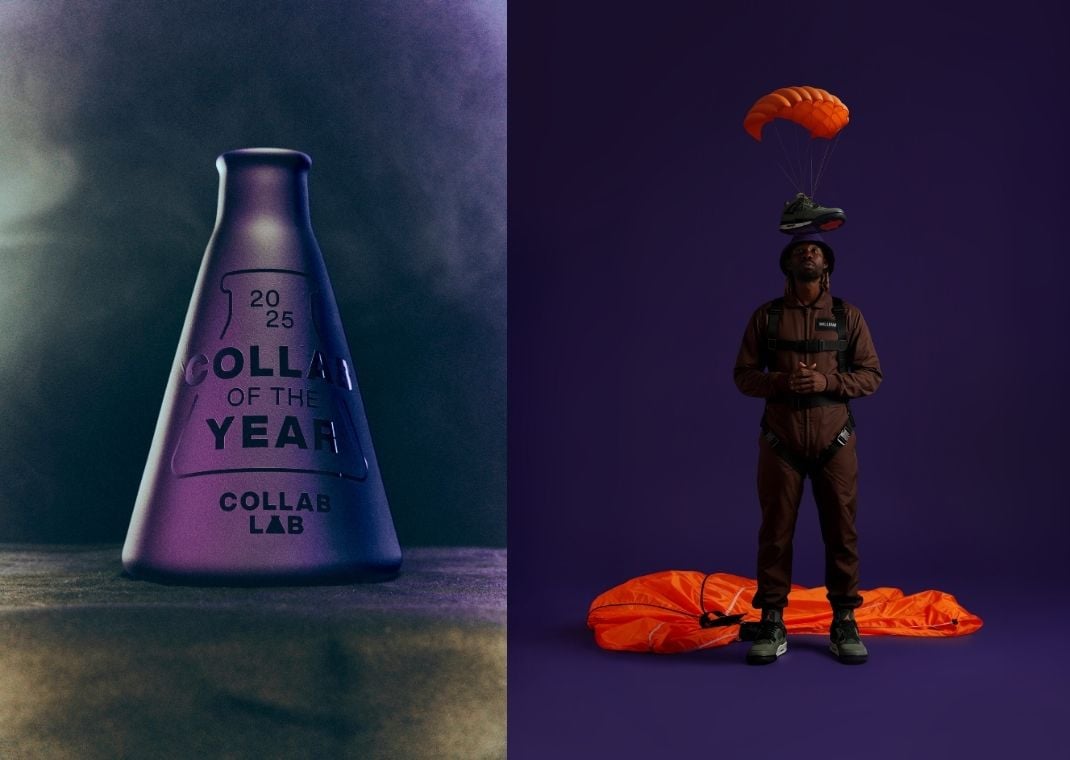
BW: You know, one of the insights that really jumped out to me when it came to the Undefeateds was we see collaborations create this false rarity, this false scarcity. And the thing that was so interesting about The Undefeateds, if you love sneakers, or if you've watched any sort of sneaker content ever, you know have been placed on this pedestal. And then the backdrop is that this was the first collab Jordan Brand had ever pursued. So, when it actually releases this year, it's more like a unicorn, and it's actually a true scarcity versus, like, some faux story that was made up to get people to buy in. This was like, no, they only made 72 pairs because this wasn't a thing in 2005. They weren't using this as a vehicle. They didn't even know it was a mechanism to drive interest. They only made 72 pairs because there was no information to tell them they should make more, or that anybody was gonna care. And I think what makes it so special is that it wasn't like this full-on manipulative strategy to get people to buy more sneakers. It was purely, at that point, trying something new.
And for that to now actually come to the marketplace, I think a lot of people resonate, at least I personally resonate with it, because that was a defining moment. It was also really dope to understand how Chris Union played a part in that story, and just uncovering these Easter eggs that make sense today. I want more stories like that.
DL: Any personal favorite collabs that didn't make the list, but you really loved this year?
BW: Oh, man, you're speaking to my heart right now. You know, I think there's a lot that happened this year that obviously was impactful and that I would say I love. But when it comes to the ones I can't believe didn't make the list, there were a few that I was just, like, arguing with myself. But the ASICS x Story mfg Gel-Venture 6, I really appreciated that story, the process behind the dyeing, the process behind the artisans that they worked with, and how that showed up in the campaign. I really, really, really appreciate it.
Another one that I was actually surprised didn't show up stronger on the list was the adidas Bad Bunny Gazelle. I thought that this was the best project that adidas and Bad Bunny have done. I thought even more so, how they were able to partner and bring that to Puerto Rico was beautiful, incredible, and super impactful.
And then another favorite, because the model, I think, was challenging for a lot of people is the Aminé x New Balance 2000. I think people are tripping when it comes to that model. I think Aminé's sneaker is incredible, and when you see that green one in person, and then the multicolor, it's like, how can you sleep on this?
DL: That's my sneaker of the year. I haven't taken it off. That's like my daily driver. It's so good, when you want a sneaker to have both the look and the ‘it’ factor, but also the storytelling, to me, that's the one. The thoughtfulness of the packaging, and the story, and it being his local library, and the glow-in-the-dark with the stars on the ceiling, that project hit everything for me.
BW: I agree, man. I don't know what it is, how that didn't connect with people, but that project is crazy.
CHECK OUT BIMMA'S COLLAB OF THE YEAR REPORT NOW
Drew oversees content at Sole Retriever and hates writing in the 3rd person soooo I'm going to stop. Ran The Hundreds Blog in LA for a long time before moving back east to make cool commercials and funny tweets at [insert big agency]. Now I'm doing what I really love: talking sneakers, streetwear, and everything in between. Email me at drew@soleretriever.com with scoops and size 13 heat.