The Most Expensive Sneakers Nike and Jordan Has Sold at Retail
PublishedQuick Facts
- Nike Atelier is the brand’s latest attempt to create its own lane in the high-end space
- The brand’s history shows a willingness to push the limits of design, tech, and consumers’ wallets
- The results have been mixed with some efforts becoming staples while others end up as one-offs
- The desire for them will always come down to the public’s appetite
This content may contain affiliate links. If you make a purchase through these links, we may earn a commission.
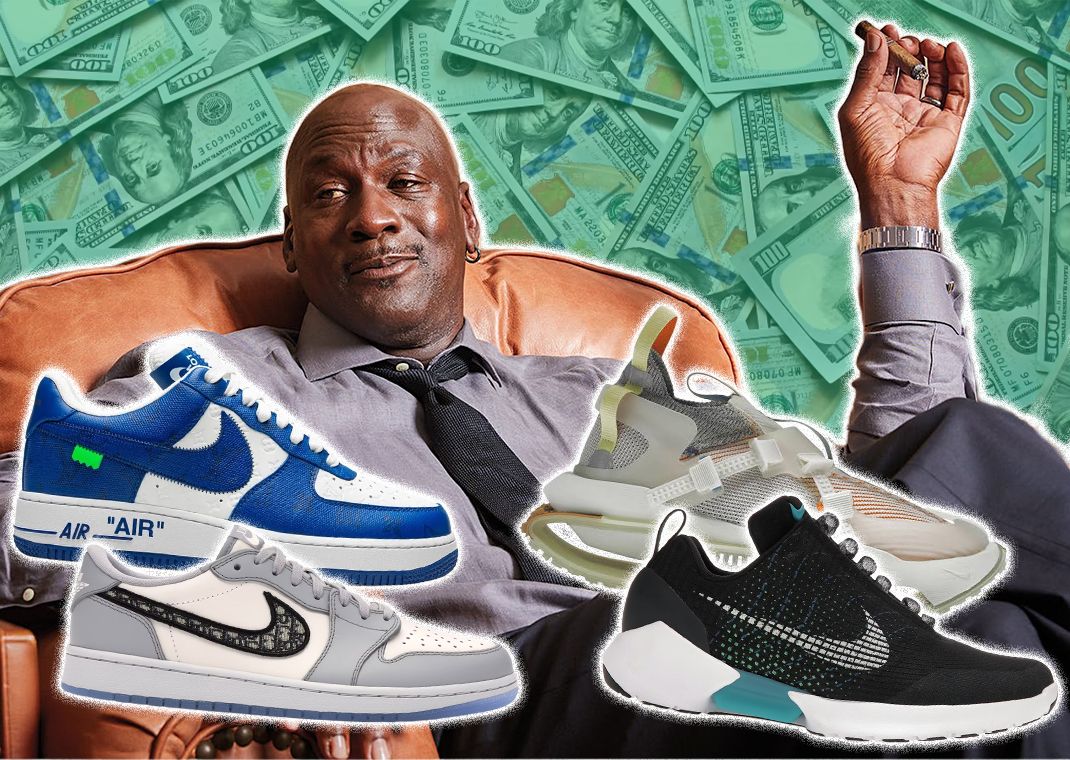
Nike creating bespoke one-of-a-kind collections for their top athletes is far from a novel concept. Since the days of Michael Jordan receiving exclusive golf shoes based on his classic silhouettes, to Serena Williams popping at major tennis tournaments in outfits that look right at home on the runway, to newly minted hall of famers receiving trunks of sneakers that tell the history of their career, the cream of the crop has always been taken care of.
It’s not even limited to athletes, as some of their most dedicated fans, like the late DJ Clark Kent and Nike’s most affluent customers, received the same treatment when they stepped foot inside the NikeLab at the former 21 Mercer location. The difference between those efforts and the recently created Nike Atelier initiative is all in the name. Whether it’s Maria Sharapova or Victor Wembanyama, there’s just a brand name now. And people will be able to buy some of the sneakers at premium prices.
Earlier this month, SNKRS Reserve opened up preorders for the Nike Atelier Merc Premium, a hybrid sneaker that combines the tooling of the Pegasus Premium with the upper of the OG Mercurial soccer boot from 1998. Priced at $450, it’s the latest example of Nike looking to establish themselves as a premium brand. Through the years, Nike has tackled this from different angles, from innovation to technology to opulence. The market’s response to each effort has been mixed, with some becoming ongoing concerns while others are answers to trivia questions.
As we go along for the ride with Nike Atelier and where it inevitably lands in the brand’s many pushes into the innovation and fashion space, here’s a look back at where previous attempts to break through ended up and how it has influenced their future plans.
Nike LeBron X+ Sport Pack (MSRP: $315 $275)
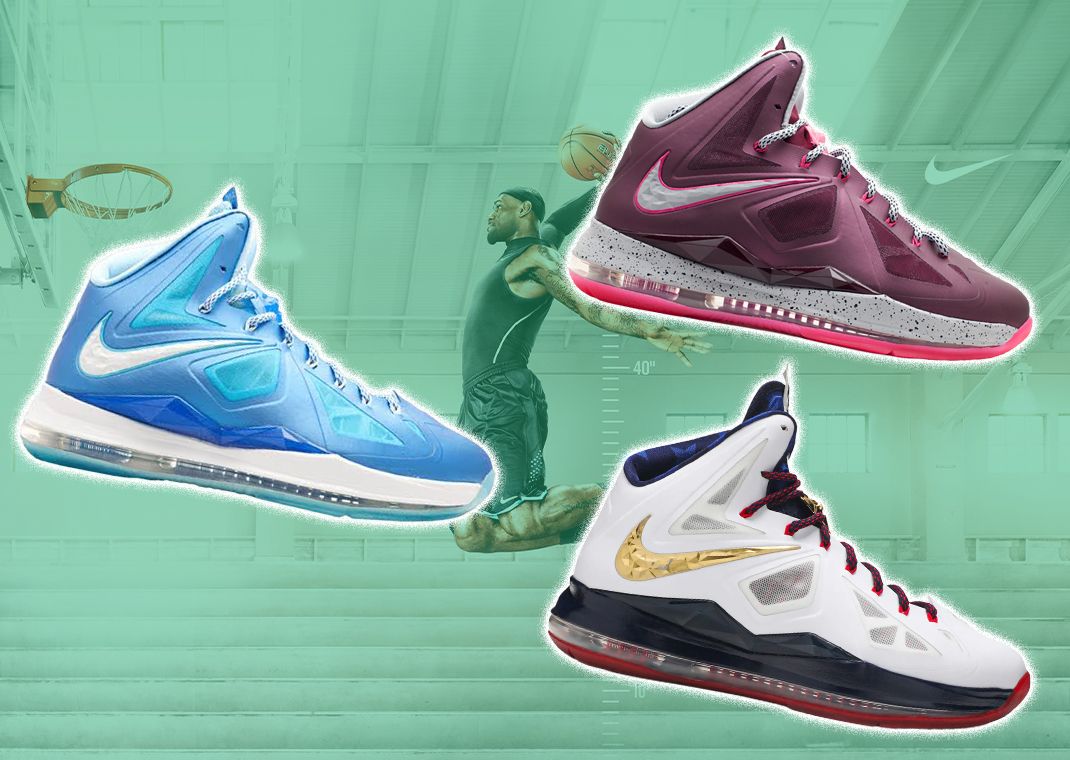
In the mid-2000s, Nike began dipping its toes into the wearable tech world with the introduction of Nike Plus (aka Nike+). Using a tiny coin-shaped sensor that you placed into a slot underneath the insole of your running shoe, the data accumulated from your run would be sent wirelessly to a receiver connected to your iPod. After several years of establishing itself as a player in the space, Nike+ would expand in 2012 into training with the infamous Fuel Bands and basketball with the Nike+ Hyperdunk and the Nike+ LeBron 10 Sport Pack.
The launch colorways of the Nike LeBron 10 - the Team USA-themed Gold Medal, the Twitter-esque Blue Diamond, and the royal-like Crown Jewel - were designated as Nike+ releases and would be priced at $315, a huge jump from the $180 that non-Nike+ LeBron 10s were going to sell for. The price announcement sparked major backlash not only from the sneaker community but also from the mainstream media. Despite LeBron initially defending the cost, Nike would cut the price down to $275.
Air Jordan BIN 23 Series (MSRP: $355 in 2026, $175 in 2010)
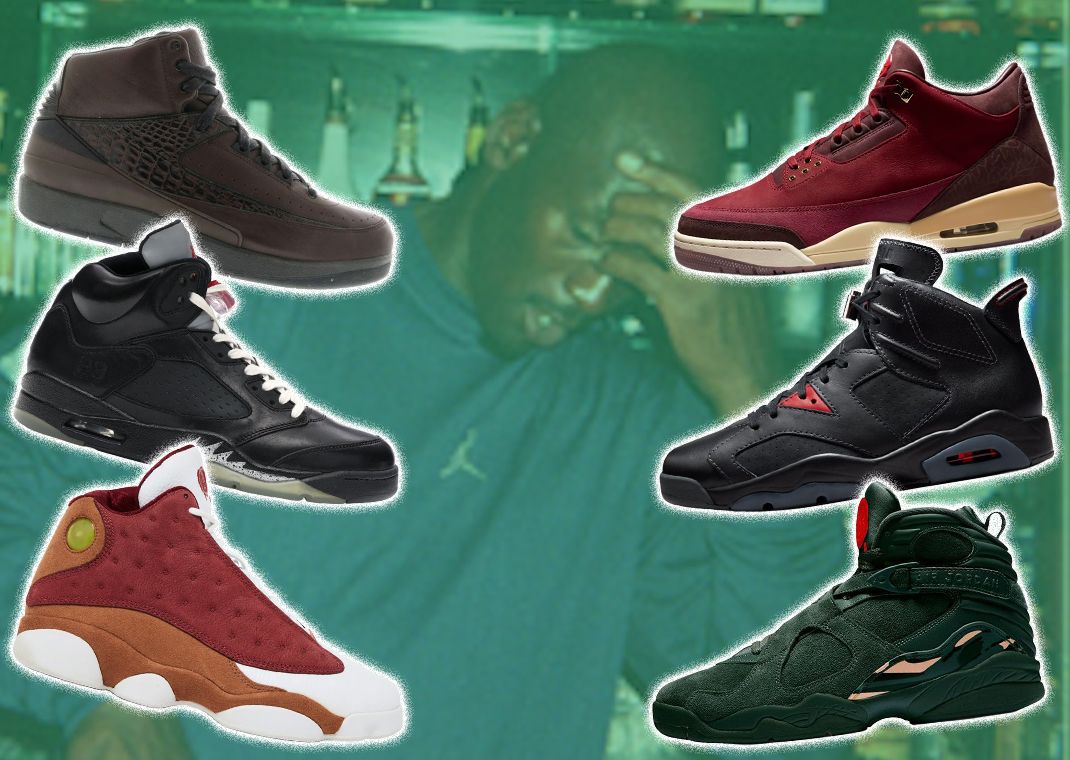
Not everybody is supposed to own a pair of Air Jordan BIN 23 sneakers. Inspired by limited edition wines and the entire concept of collectibles, the first run of BIN 23 sneakers back in 2010 was priced at $175, which was unheard of at the time. By limiting the number of pairs made in the low thousands and giving them premium embellishments like high-quality materials, unique designs, and a wax seal that adds a level of gravitas that you might not see at your local retailer, the BIN 23 were absolutely must-haves. A little over 15 years later, Jordan Brand is going back to the same playbook, but at double the price, the energy and demand for them is going to be an interesting storyline to watch for the rest of the year.
Nike Cryptokicks iRL (.38 ETH ~ $400 in November 2022)
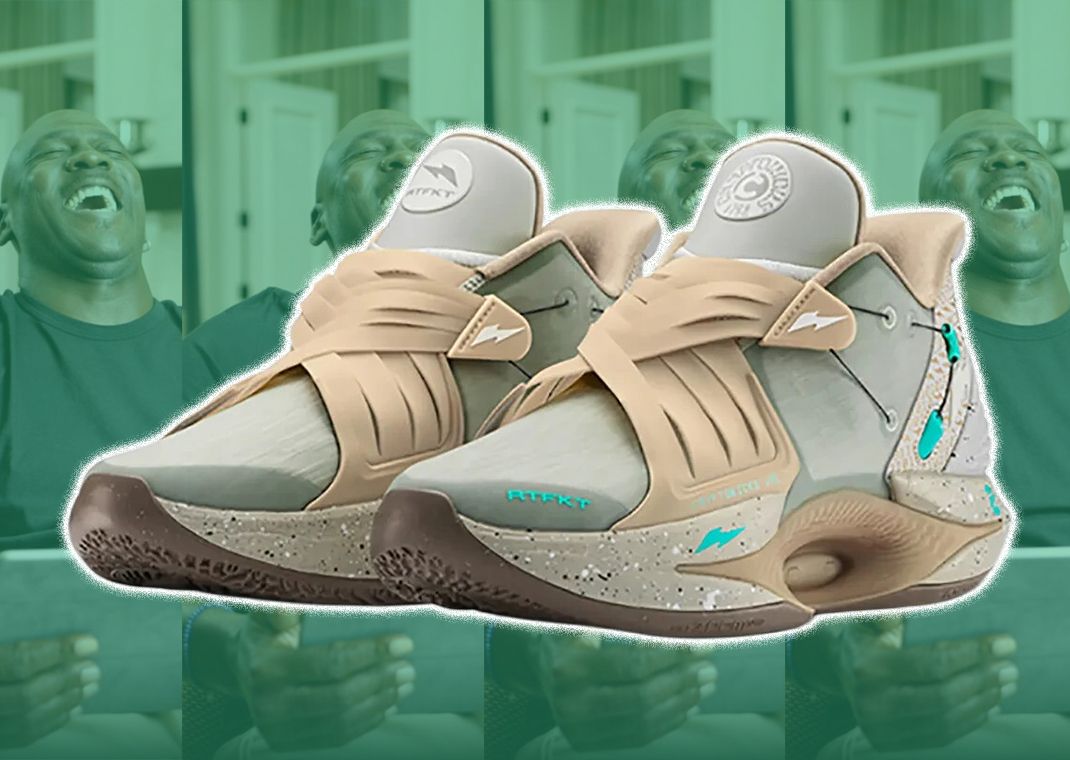
All jokes aside, the Nike RTFKT era feels like a fever dream that most people just want to forget ever happened. While digital currencies like Bitcoin and Ethereum remain ongoing scams concerns to this day, the great NFT craze of 2021 and 2022 reached its apex when Nike bought digital collective RTFKT to kick off their plans for domination in the space.
The brand even created a new silhouette called the Cryptokicks iRL that was sold via an NFT you had to redeem using Ethereum. Convinced that people would not only buy real sneakers, but also digital versions that you could only see through the lens of your phone or a Mark Zuckerberg barbecue sauce-flavored digital universe, Nike thought they had the jump on the competition, and they were going to be leaders of this brave new world. Unfortunately for them, most people thought that this new world was dull, bland, and most importantly, not real.
Air Jordan Pinnacle Series (MSRP: $400)
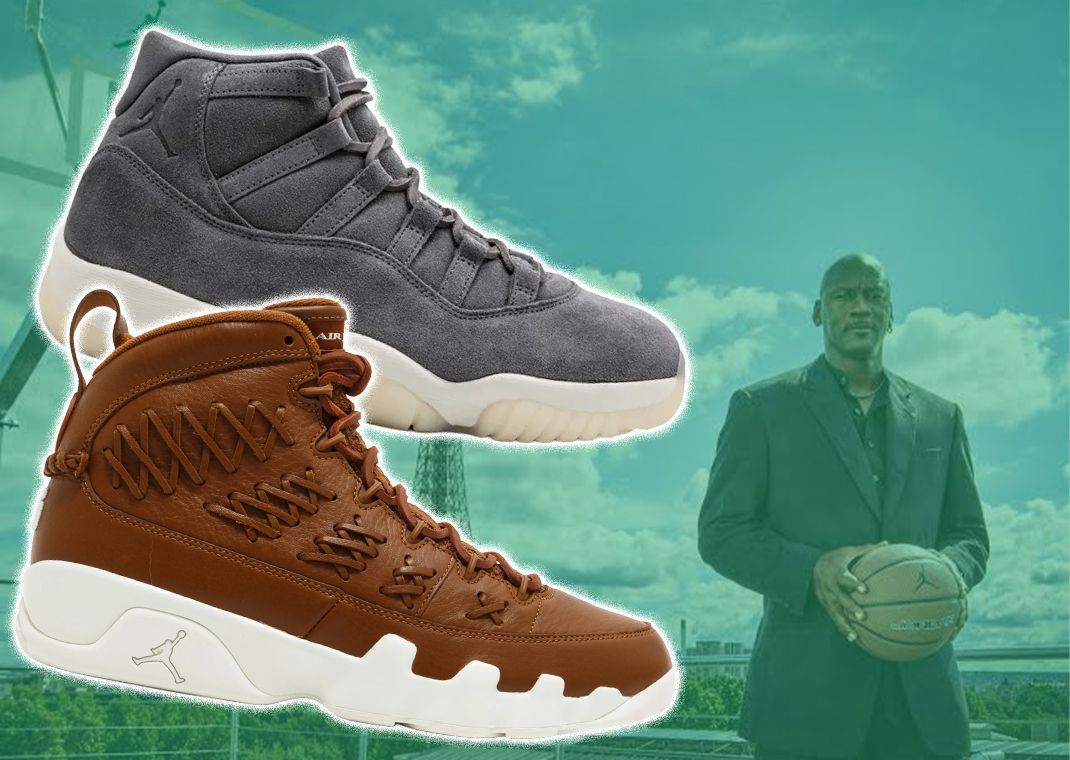
Introduced in 2015, the Air Jordan Pinnacle series felt like a dry run for what Jordan Brand’s ambitions were for its (at the time) super hot retros. Priced at $400 a pair, the initial run gave the Air Jordan 1 a classy makeover in styles that ironically copied what certain luxury brands were doing at the time: releasing high tops that looked curiously like the Air Jordan 1 but with a high-fashion edge.
From vachetta tan leather to faux croc-skin, it was Jordan Brand’s attempt to be taken seriously in the same spaces that Gucci or Versace occupies. After the launch of the Air Jordan 11 Pinnacle in late 2016, future Pinnacle releases would actually drop down to the $250 range. It was a sign that people did not accept that Jordan Brand could be luxury, or that they were still looking for what would make sense. A few years later, they found it as we’ll see later in this list.
Nike ISPA Road Warrior (MSRP: $500)
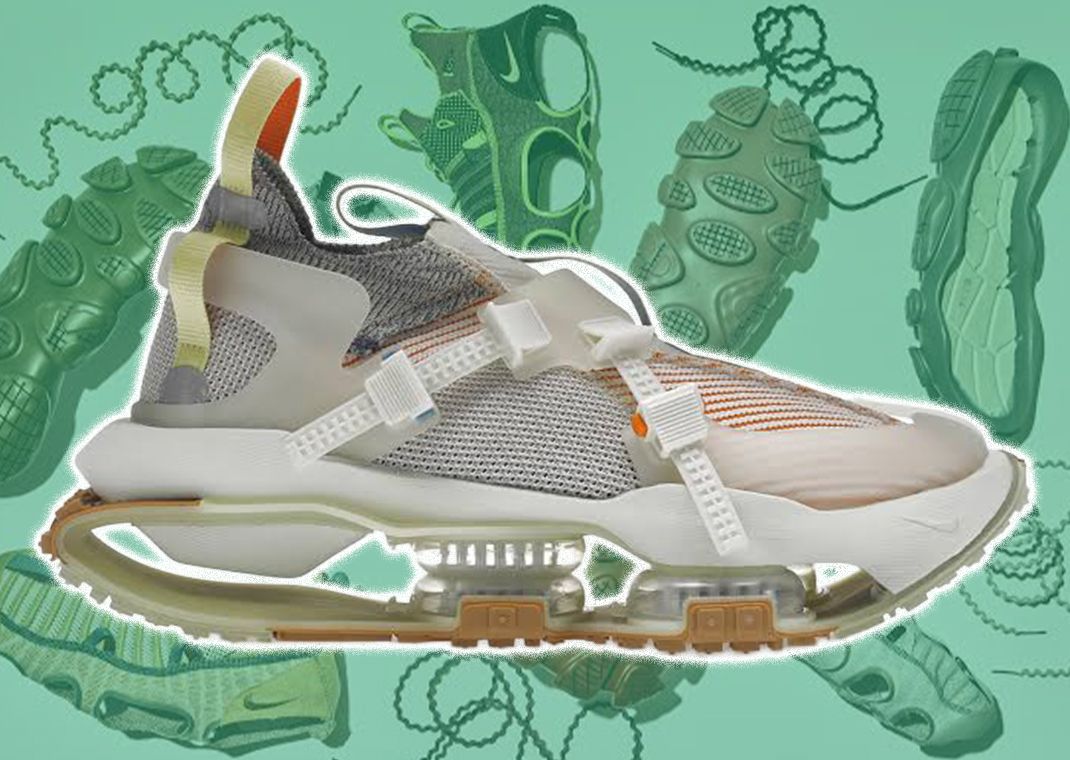
Improvise, Scavenge, Protect, and Adapt was the ethos of Nike’s experimental ISPA division. For all of the criticisms that sneaker brands no longer try new things, Nike’s response was to create footwear that broke the rules of traditional production. The ISPA Link used modular components without glue, double-stacked cushioning for enhanced comfort, and lacing systems that may have broken a brain or two at first sight.
The signature product from the line was the Nike ISPA Road Warrior, a Frankenstein's monster of a sneaker that looks like it was cobbled together from different parts of other Nike products and even some that the brand has never touched, like Japanese split-toed boots. Unfortunately, creating something so out of the ordinary meant that the sneakers were going to be priced accordingly. With the Road Warrior arriving with a $500 sticker price and other ISPA footwear not too far behind, Nike’s attempt to try something genuinely new was always going to have a limited audience.
Nike HyperAdapt 1.0 (MSRP: $720)
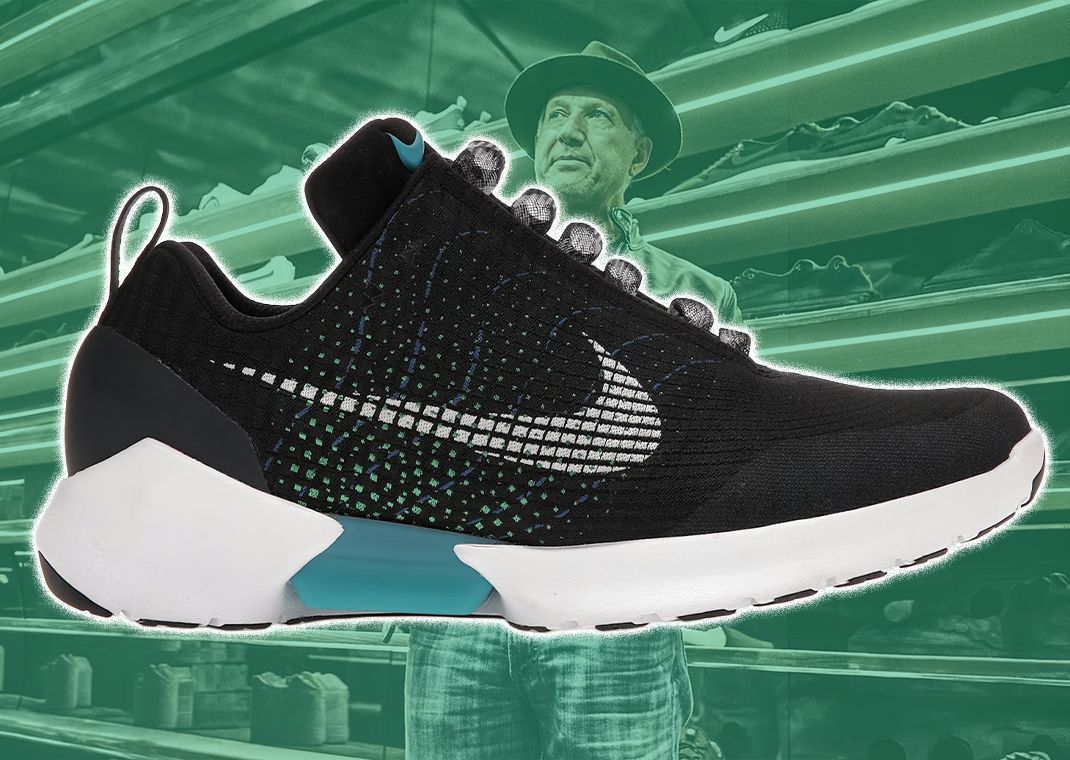
After finally releasing the self-lacing version of the Nike Mag in 2016 via a raffle that sneakerheads only had to pay $10 to join, the brand also introduced the actual future of the technology with the Nike HyperAdapt 1.0 runners for a “mere” $720 a pop, or the equivalent of 72 chances to win the Nike Mag. Despite requiring a charge to actually work as intended, the cool factor of HyperAdapt 1.0 was undeniable and gave people an alternative if they missed out on the Nike Mag raffle. In hindsight, the HyperAdapt 1.0 looked and felt like a 1.0 product, meaning that it could only get better and more efficient with successive releases. But considering Nike hasn’t released a new Adapt sneaker in years and they shut down the companion app in 2024, the wait for an update might take a while.
Hyperice x Nike Hyperboot (MSRP: $800)
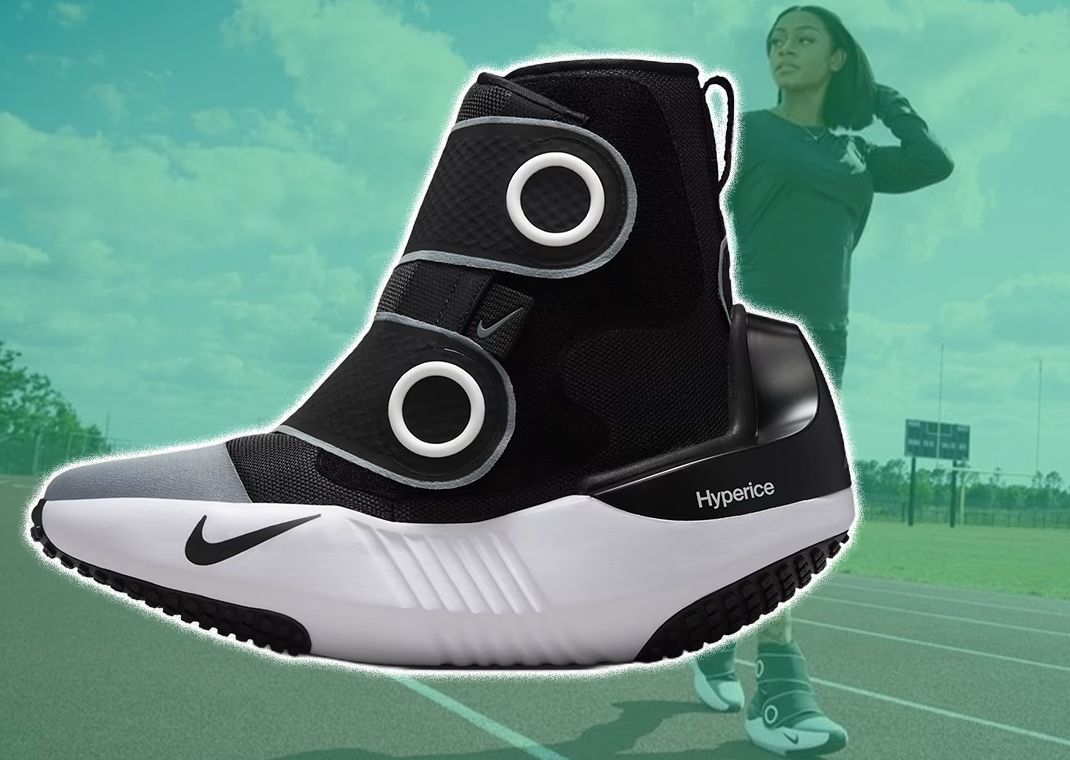
This one is a bit of a cheat in the sense that it’s not a typical sneaker that one would wear out, but you technically can wear this collaboration between Nike and the tech wellness brand Hyperice and walk in them as you warm up or recover from your chosen activity. However, running errands in them might not be the most advisable, as you would look like you’re walking inside a Target in ski boots.
Through a combination of compression and heat, the 2025 Hyperboot essentially loosens you up before you go on a run and resets you after you’ve finished. It’s a helpful tool for those who are serious about their workouts, but it’s not some sort of magical item that will do the work for you. For nearly a thousand dollars, it might have to be magic for it to gain wide acceptance.
Nike Air Force 1 Low ‘07 Lux (MSRP: $2,000 each)
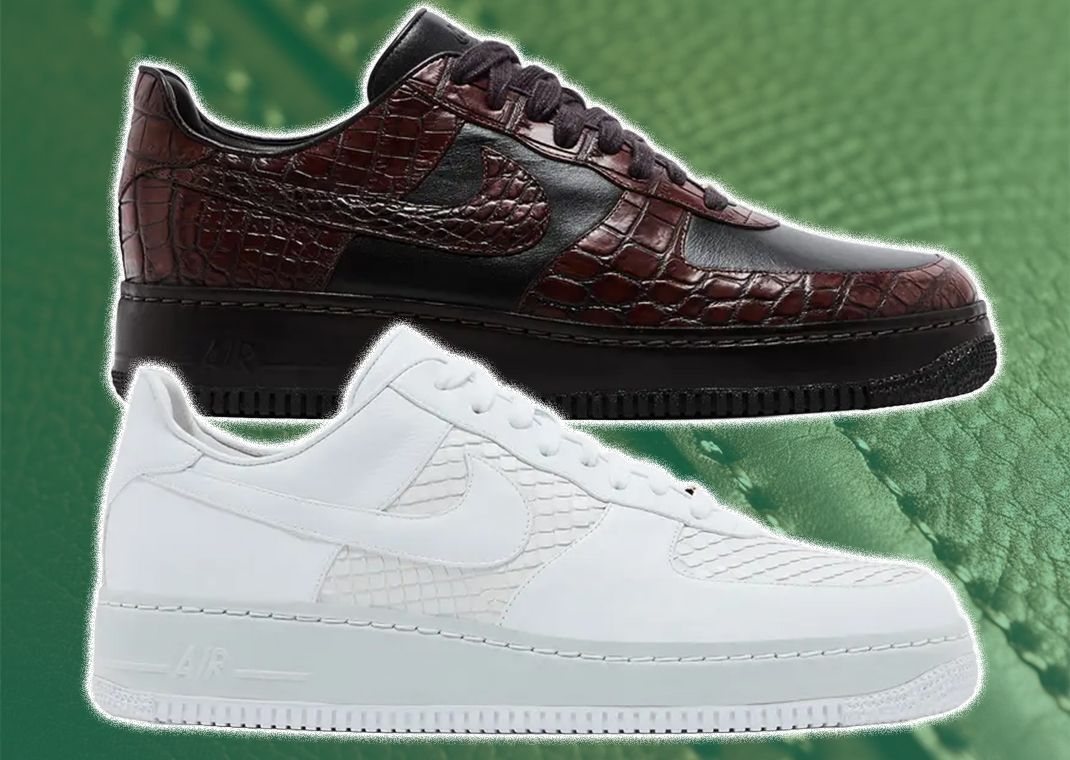
Back in 2004, Nike dropped a special Made In Italy series of Air Force 1 Lows that were priced at $425. A few years later, we would get a monumental follow-up. Released to celebrate the 25th anniversary of the iconic Nike Air Force 1, this Lux version was handcrafted in Italy with premium Italian leather and real crocodile skin, while the lace tips and dubraes are made of real gold. Surprisingly, the packaging remains your typical Air Force 1 box, possibly a nod to the roots of the sneaker or Nike wasn’t into special edition packaging like today.
Besides the sneakers and luxury accouterments, it also came with wooden shoe trees so the shoes maintain their shape even when not being used. The result is a product that’s not unlike what you might see a high-end fashion house sell that’s run by a “quirky” auteur who lives in a secluded mansion along the Italian Riviera, but for Nike, this was headline news. And the reason for the headline? The $2,000 price tag, the first time a Nike sneaker ever crossed the four-digit mark.
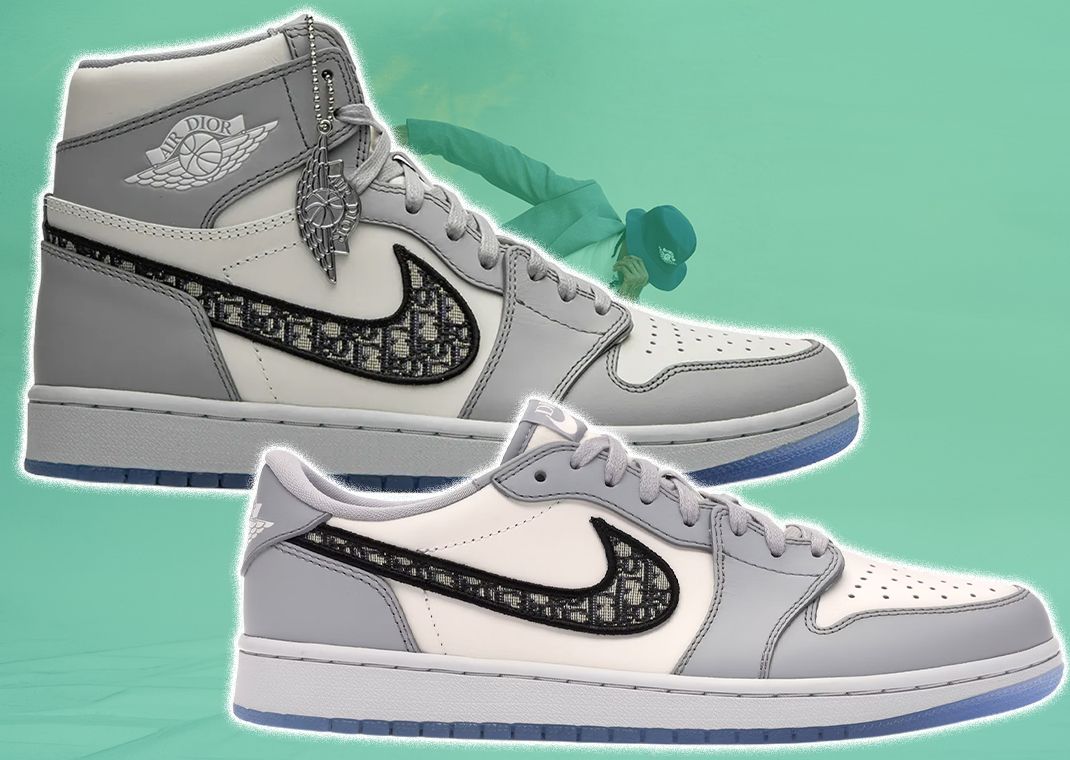
Dior x Air Jordan 1 (MSRP: $2,000 for the low, $2,200 for the high)
The biggest lesson that Nike and Jordan Brand learned from their previous efforts to elevate themselves with luxurious takes on their sneakers is that people’s appetite for them goes only so far. They are known for performance, technology, and innovation. Their Atelier division is a sign that they won’t stop trying, but if they want to take over the high-end space as well, they are going to need help.
Efforts with Jacquemus, Comme des Garçons, and Tiffany’s helped push them forward, but the two moments that firmly planted their flag are the two most expensive releases the brand has ever sold. The 2020 release of the Dior x Air Jordan 1 collaboration was a monumental moment for both parties. The early days of the pandemic era prevented the release from having public moments of insanity like we just witnessed from the Audemars Piguet x Swatch Royal Pop release, but the fervor for them could be felt even from the screens of our phones.
Louis Vuitton x Nike Air Force 1 Low (MSPR: $2,750 for the low, $3,450 for the mid)
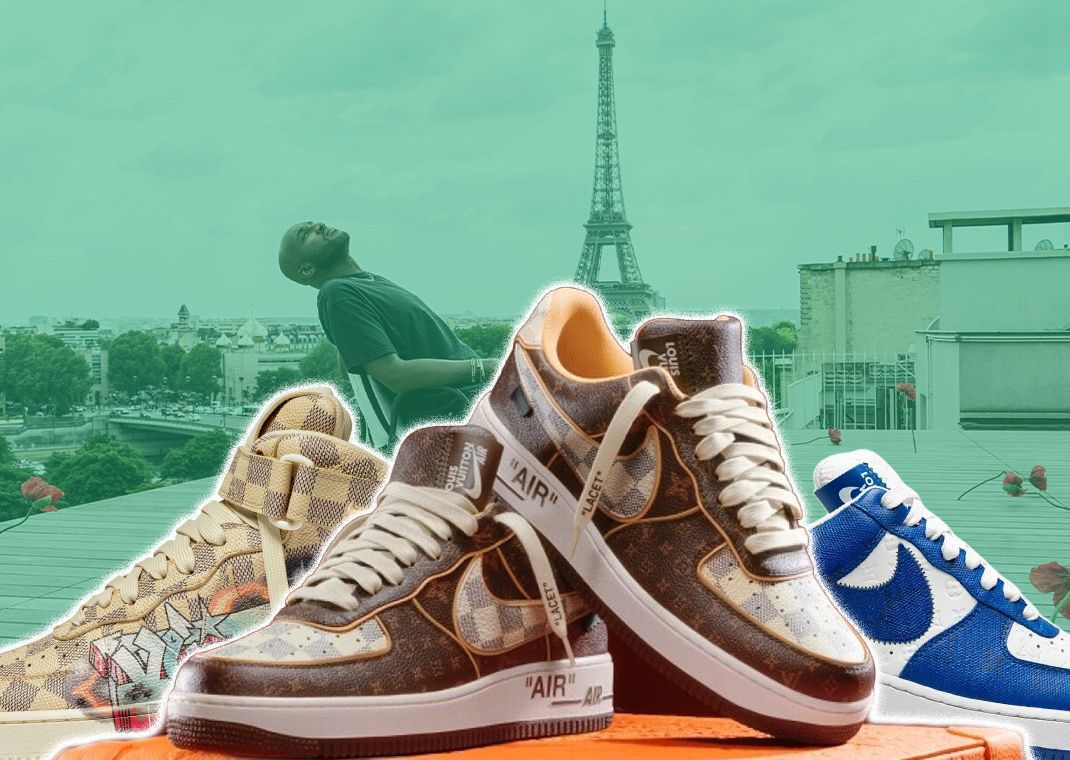
Designed by the late Virgil Abloh, the historic collaboration between Nike and Louis Vuitton was the culmination of decades of two iconic brands with very different specialties passing each other but never interacting, at least directly. It’s not that sneakerheads have never seen the Louis Vuitton monogram or the Damier Azur print on an Air Force 1 before, but to finally see the two work together to create works of art that are less sneaker and more heirloom to be passed down for generations was something that was once thought to be impossible.
Of course, such authenticity comes with a price; at $2,750 for the Lows and $3,750 for the Mids, Nike and Louis Vuitton all but made these unaffordable for the people who would see, create, or buy bootleg Air Force 1s with Louis Vuitton prints.

From video game journalism to veteran of the sneaker blog era to podcasting about well, everything, Juan is smiling through it all and can't believe this is his life. His current hot take is that people are really underrating the Psyduck trading card market. Email: juan@soleretriever.com Instagram | Twitter | Bluesky | Threads : @ezyville