Air Force 1 Sizing, Fit, and Comfort Guide
PublishedThis content may contain affiliate links. If you make a purchase through these links, we may earn a commission.
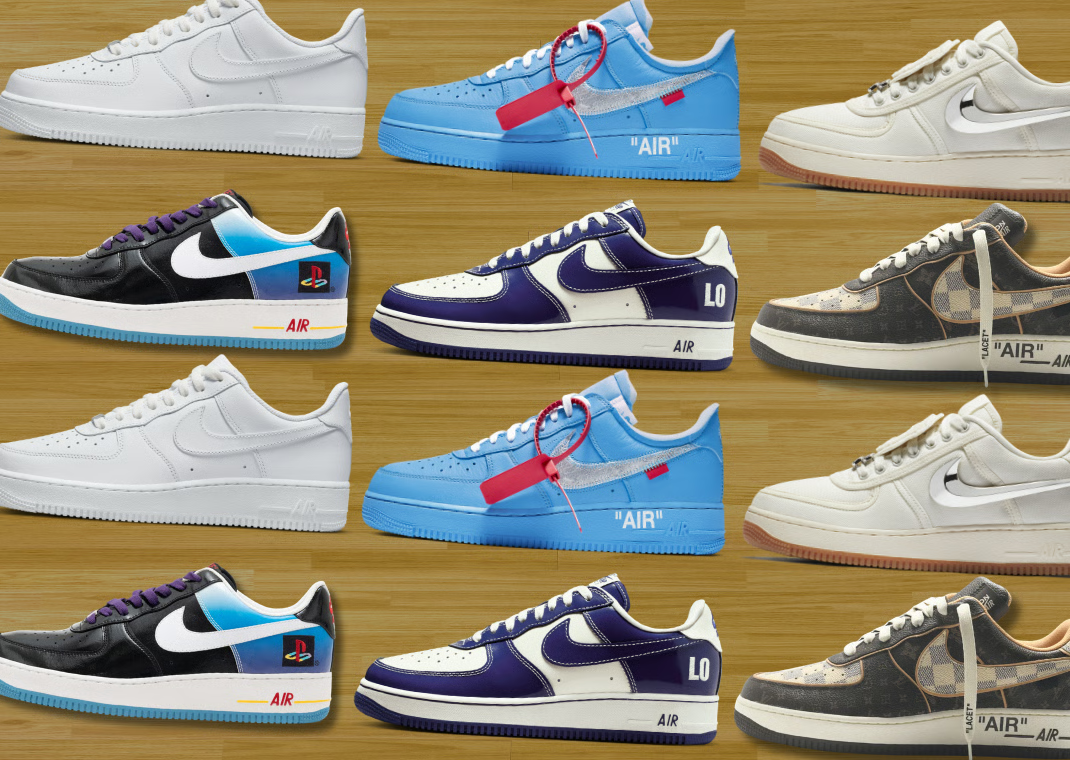

Even with the advances in technology, there’s something about the past we just can’t let go of. The saying “they don’t make ‘em like they used to” is definitely true in footwear, as some of the most popular sneakers to this day were released before many who consume this culture were even born. Just look at the Nike Air Force 1.
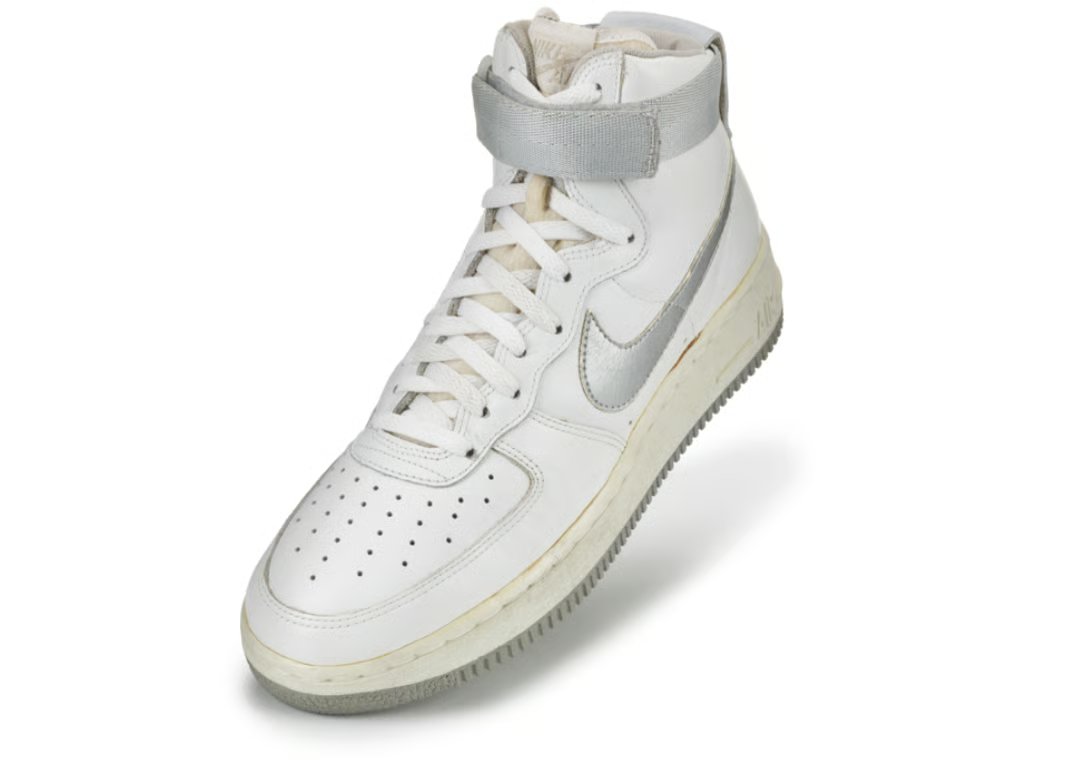
Bruce Kilgore cooked up the timeless AF1 in 1982 as a high-top basketball sneaker inspired by hiking boots. While today it’s viewed as a classic, an icon, and something inseparable from Nike, the shoe wasn’t a success out of the gate. It was almost shelved entirely until select retailers in Baltimore began highlighting the sneaker through the Color Of The Month program in 1984. From there, it grew into a revered model as the low-top and mid-top colorways began to draw in collectors and fans through streetwear.
Looking back on the AF1 today, there have been thousands of different colors over the decades, plenty of highly sought-after collaborations, and, of course, thousands of white-on-whites that get run through each day. But if you’ve never owned a pair, you’ll want to know how the Air Force 1 fits before buying, right? We’ll go over all the major questions you have about Air Force 1 sizing and more in our sizing guide.
Do Air Force 1s Run True to Size?
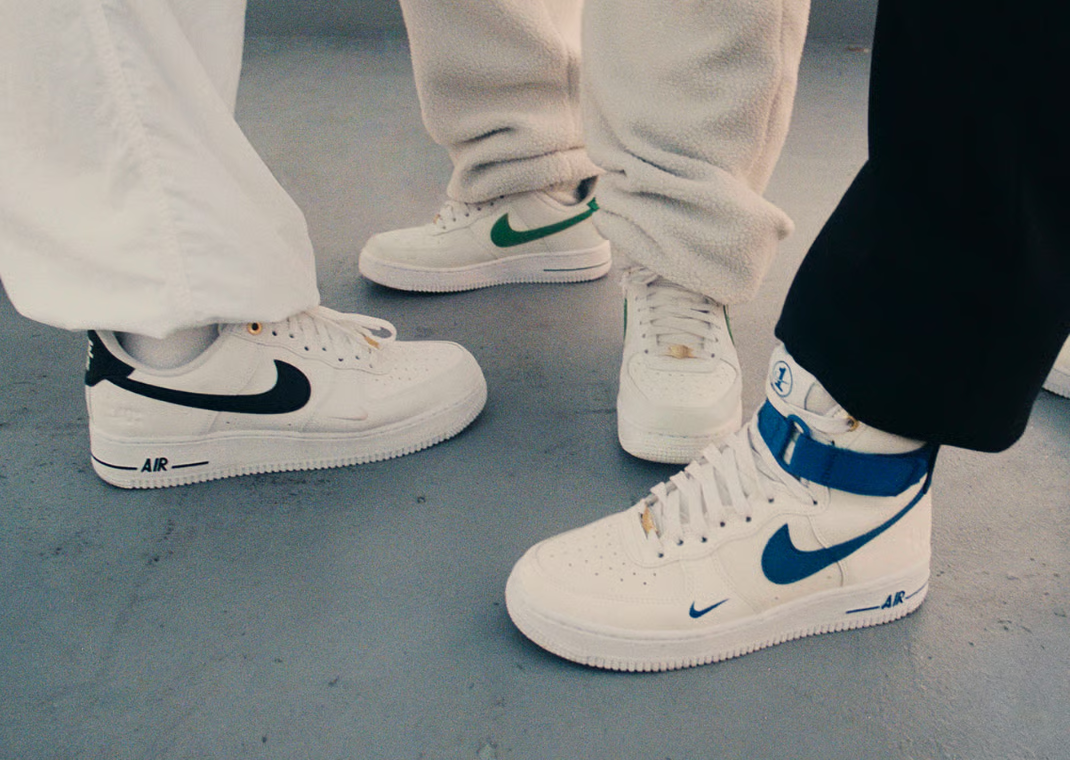
The Nike Air Force 1 is notorious for its sizing. Unlike most Nike shoes, the Air Force 1 runs big, so it’s recommended you go down half a size from your normal Nike size. This rings true for your typical all-white and all-black AF1 that is always available from Nike and other retailers. It’s also the case for most Air Force 1 colorways, but depending on the material or release year, the shoe may fit slightly differently. To be safe, just grab a half-size down across the board.
The half-size down recommendation is also applied to high-top and mid-top AF1s. However, if you have a wide foot, going true to size might not be a bad idea. The toebox on the AF1 is pretty roomy, so you may be able to get away with TTS. Your best bet is to try a pair on in-store, and luckily, virtually all retailers that carry Nike sneakers have AF1s.
Types of Air Force 1s
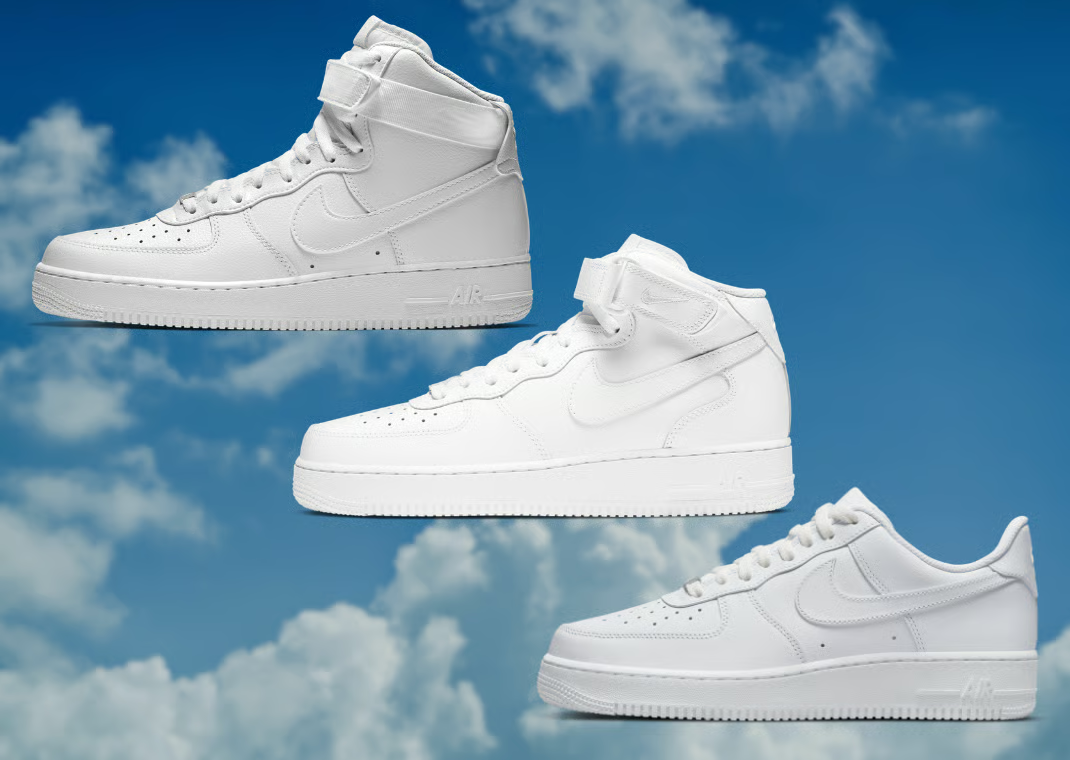
As we’ve already discussed, the Nike Air Force 1 comes in three different cuts. There’s the popular Air Force 1 Low, which is the most common version you’ll see today. Then, the Air Force 1 Mid, which had a moment in the early 2000s and was first released in 1994. Finally, the original Air Force 1 High, which doesn’t see many releases today. In addition to the different cuts, Nike has remixed the sneaker dozens of times over the years to feature different materials and additional panels.
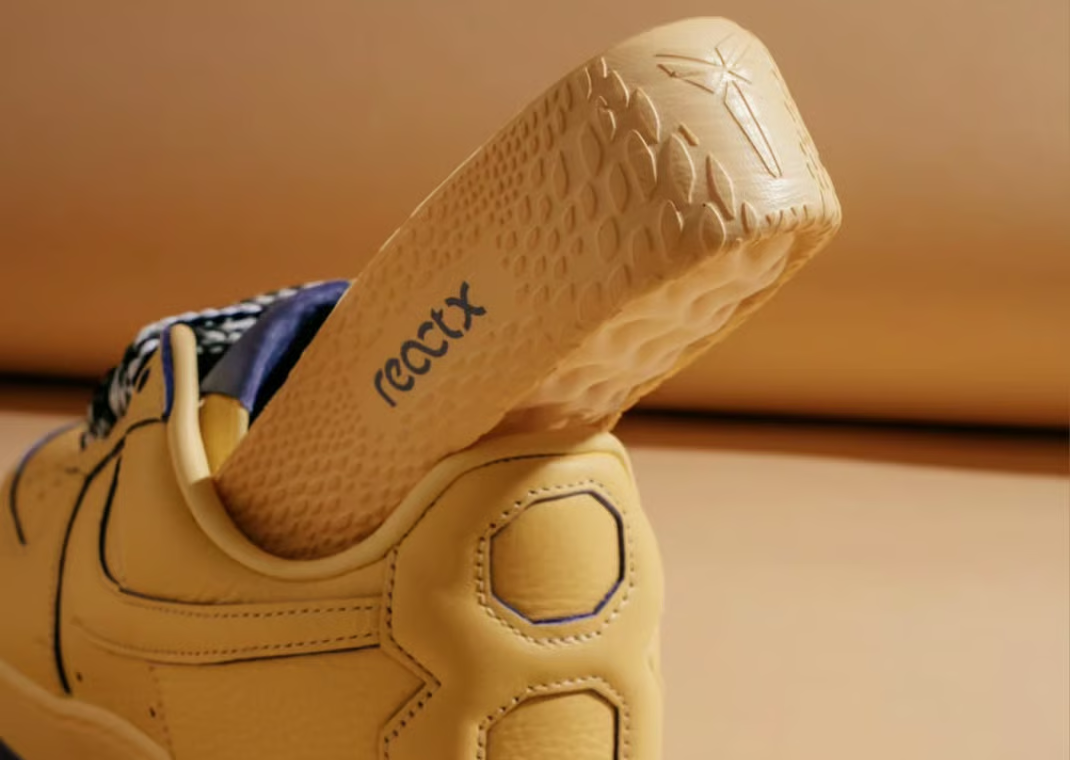
Some notable versions saw the Ultra FlyKnit swap traditional leather or suede for FlyKnit, the Crater add Crater Foam to the sole unit, the Protro with Kobe Bryant branding details and upgrades the insole to feature ReactX foam, and models with Gore-Tex coating.
There’s plenty more we haven’t touched on here, like the Pixel, SF-AF1, Sage, and Sculpt, but just know that Nike has retooled and reworked the silhouette countless times. Most pairs are done in the standard style, and virtually all of these additional versions will still fit slightly large.
Nike SB Air Force 1 vs. Regular Air Force 1
The most recent remix of the Air Force 1 comes from Nike’s skateboarding division, Nike SB. The new SB Air Force 1 makes radical changes to the shoe to improve skateability, which not only helps with use on a skateboard, but off it as well. Some notable changes include extra padding on the tongue, a revised toe profile, durable stitch-turned seams, an Air unit in the heel, a reduced midsole height, and modified herringbone traction. Find our full comparison piece here.
‘01 vs. ‘07 Nike Air Force 1 Differences
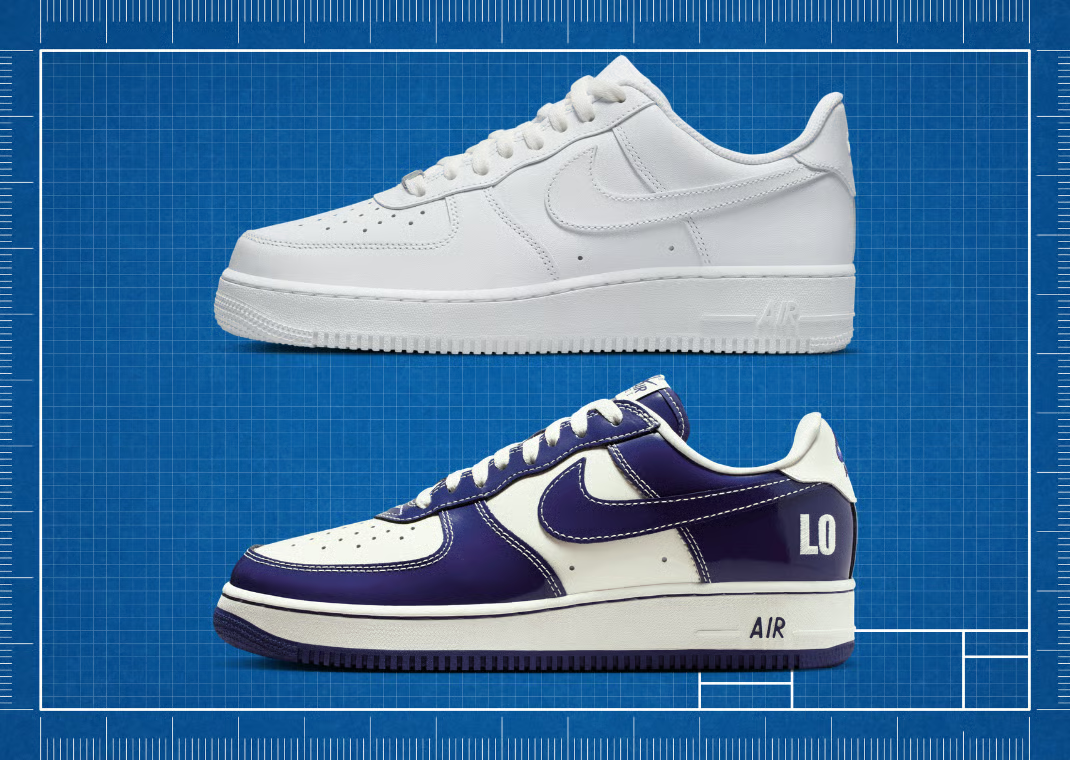
On top of remixes, Nike has also played with the cut of the shoe over the years. The original 1982 build is long-gone, as in the early 2000s, Nike reintroduced the sneaker with some changes. Between 2001 and 2006, the shoe featured a chunkier and more bulky look compared to the version introduced in 2007, which is still used to this day. Other differences include a wider and rounded toebox, a taller height, and a puffier collar. Even with its bulkier build, it’s still a sleek shoe, and many fans of the AF1 prefer the 2001 version of the sneaker.
The 2007 Air Force 1 shape was introduced to celebrate the 25th anniversary of the model, but in 2026, Nike is celebrating the 25th anniversary of the 2001 version with a new Air Force 1 Low ‘01 variant. The first of these ‘01 versions will be a collaboration with NIGO, but expect to see more colorways of the AF1 Low ‘01 in the coming months.
Are Air Force 1s Comfortable?
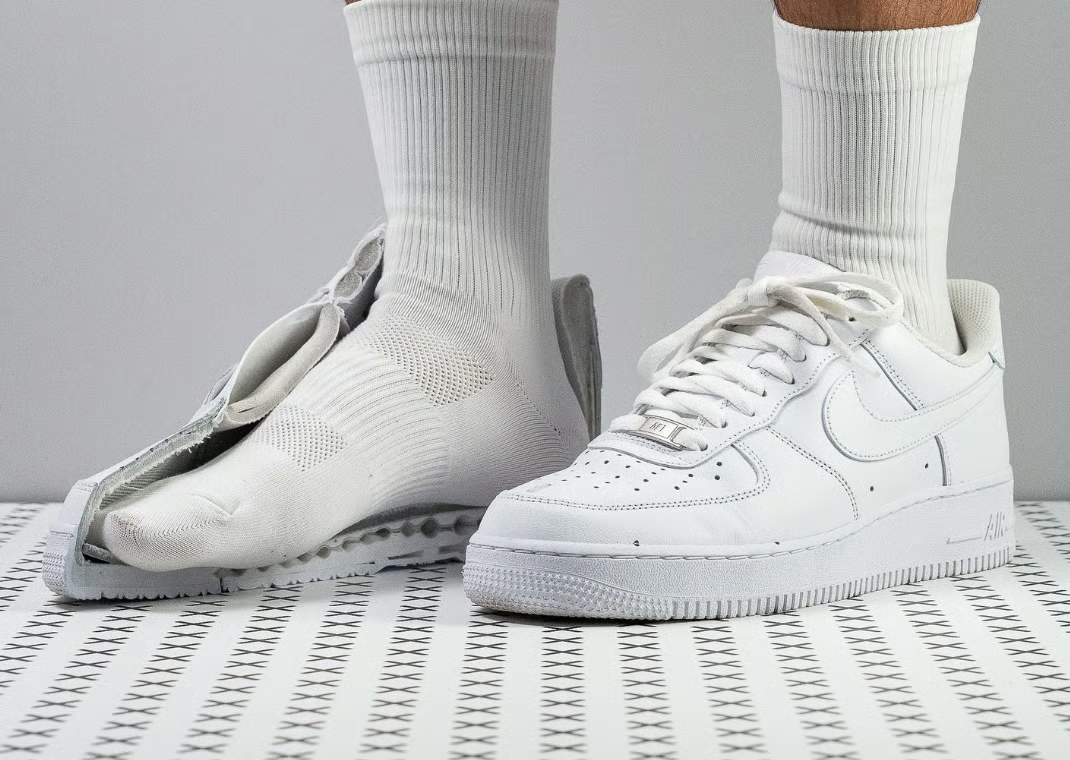
Image via Run Repeat
Considering the Air Force 1 was originally designed in 1982, the comfort of the model is nowhere near the level found on sneakers that release today. However, it’s still a reliable sneaker for casual wear. The model uses a thin foam insole and has a small Air unit inside the rubber midsole, giving it a bit of cushioning but not much. Nike’s new SB version of the sneaker has increased comfort thanks to its retooling, but traditional versions of the sneaker still use ‘80s technology.
Air Force 1 Fit Tips and Recommendations
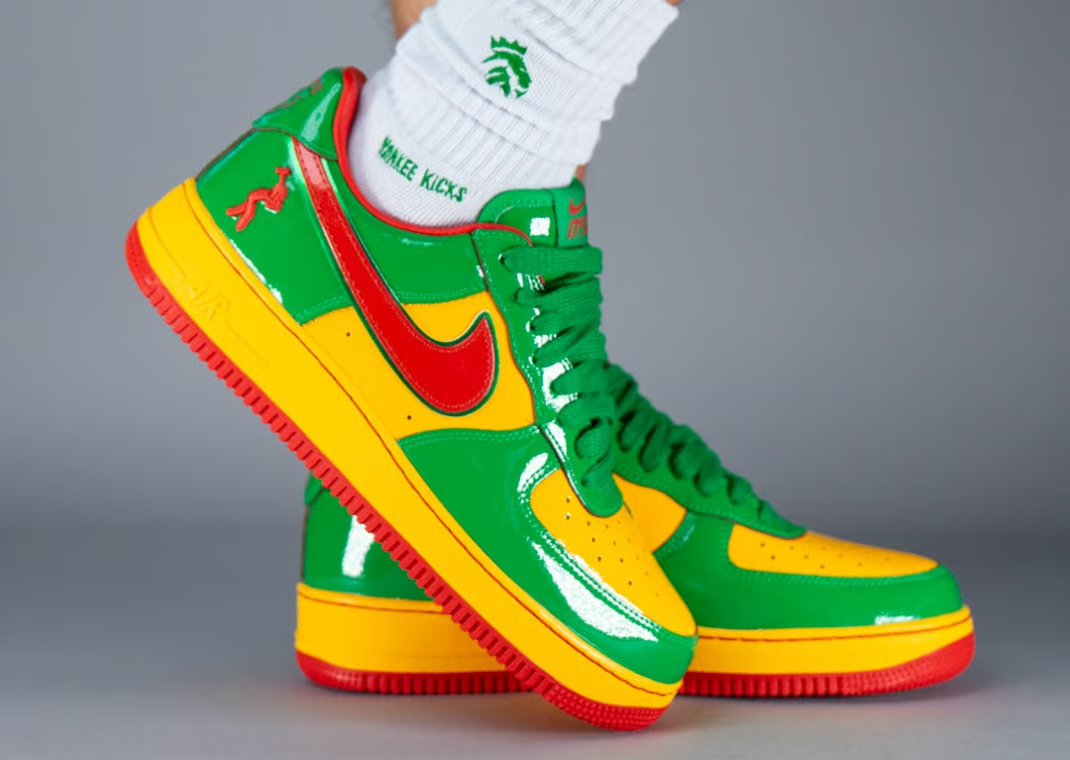
Image via Yankee Kicks
For virtually all Air Force 1s, you’ll want to go down half a size for a more snug and comfortable fit. This will also allow you to loose lace the sneaker for a more stylish look, but if you have a wider foot, staying true to size isn’t a bad idea.
Air Force 1 Sizing Compared
The Air Force 1 has a much different fit and feel compared to other classic Nike models. We’ll go over a few below.
Dunk vs. Air Force 1
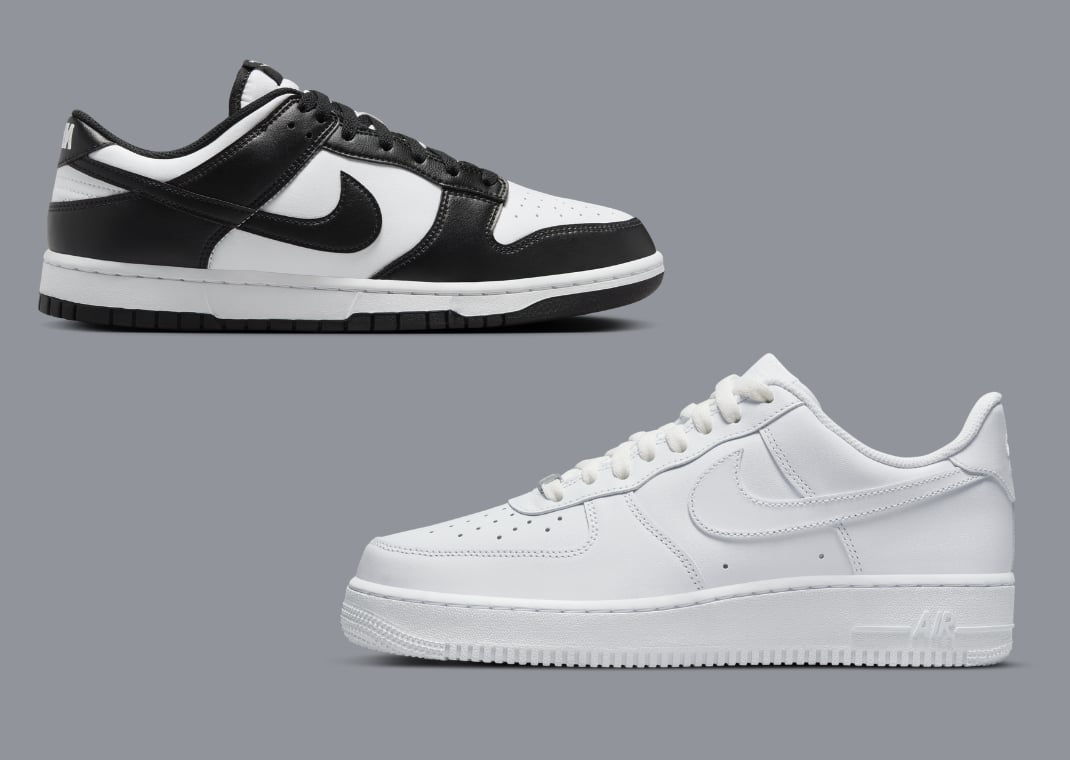
Although the Nike Dunk and Nike Air Force 1 are both basketball sneakers from the ‘80s, they have plenty of differences. The Dunk Low is slimmer, fits true-to-size, and features no Air unit, while the AF1 will have a chunkier appearance and fit a big. Whatever size you wear in Dunks, you should go half a size up in Forces.
Jordan 1 vs. Air Force 1
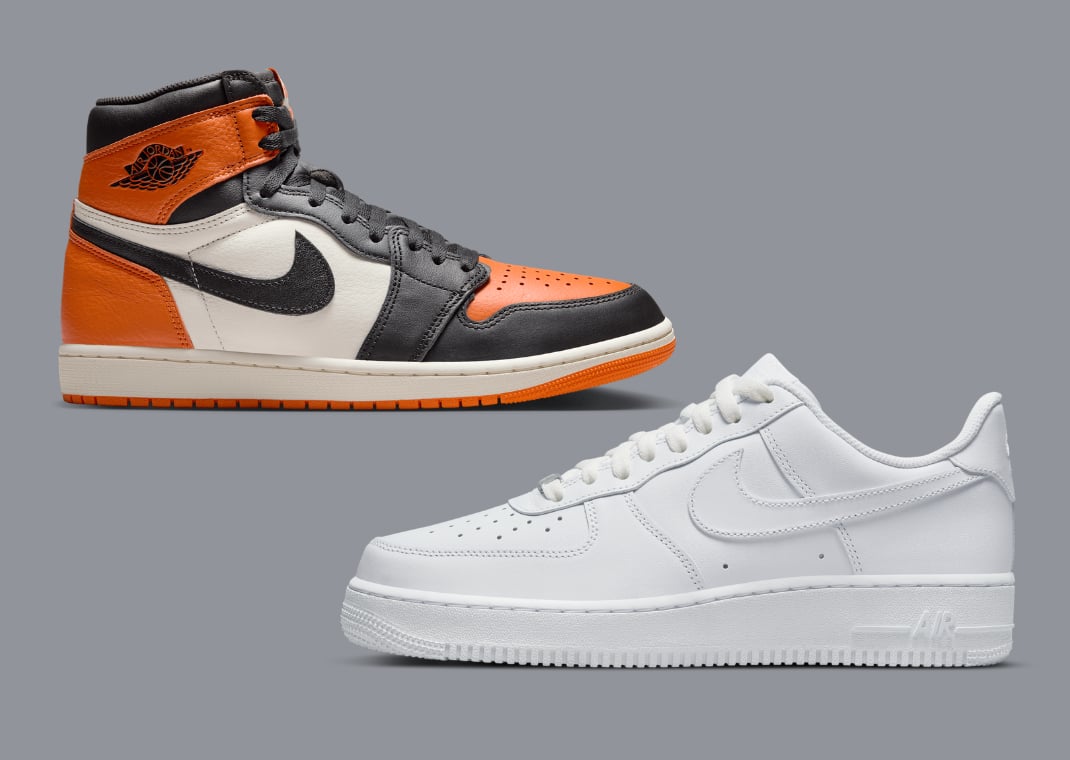
Another ‘80s basketball shoe to compare, the Air Jordan 1 and Air Force 1 were only released three years apart. Even still, like the Dunk, the AJ 1 has a different fit and feel compared to the AF1. Jordan 1s fit true-to-size, with some even recommending going down half a size in order to prevent creasing and to allow for loose lacing. As we’ve discussed already, that’s not the case with Air Force 1, as it fits big.

Sneakerhead from South Florida who turned his passion into a career. When not writing for Sole Retriever, I enjoy watching films and discovering music. Follow me on Letterboxd @nickvlah For tips, reviews, or any shoes in a size 13, email nick@soleretriever.com