Review: The Legend of Zelda: Ocarina of Time Remake is a Millennial Video Game Homecoming
PublishedQuick Facts
- The Legend of Zelda: Ocarina of Time remake for the Nintendo Switch 2 launched on November 5
- Nintendo’s update includes modern visuals and quality-of-life improvements to match today’s gaming sensibilities
- Gamers who played the 1998 original will feel a sense of nostalgia akin to returning to a childhood home.
- The throwback to an older style of Zelda gameplay is a welcome change of pace from the open-world vastness of Breath of the Wild and Tears of the Kingdom
This content may contain affiliate links. If you make a purchase through these links, we may earn a commission.
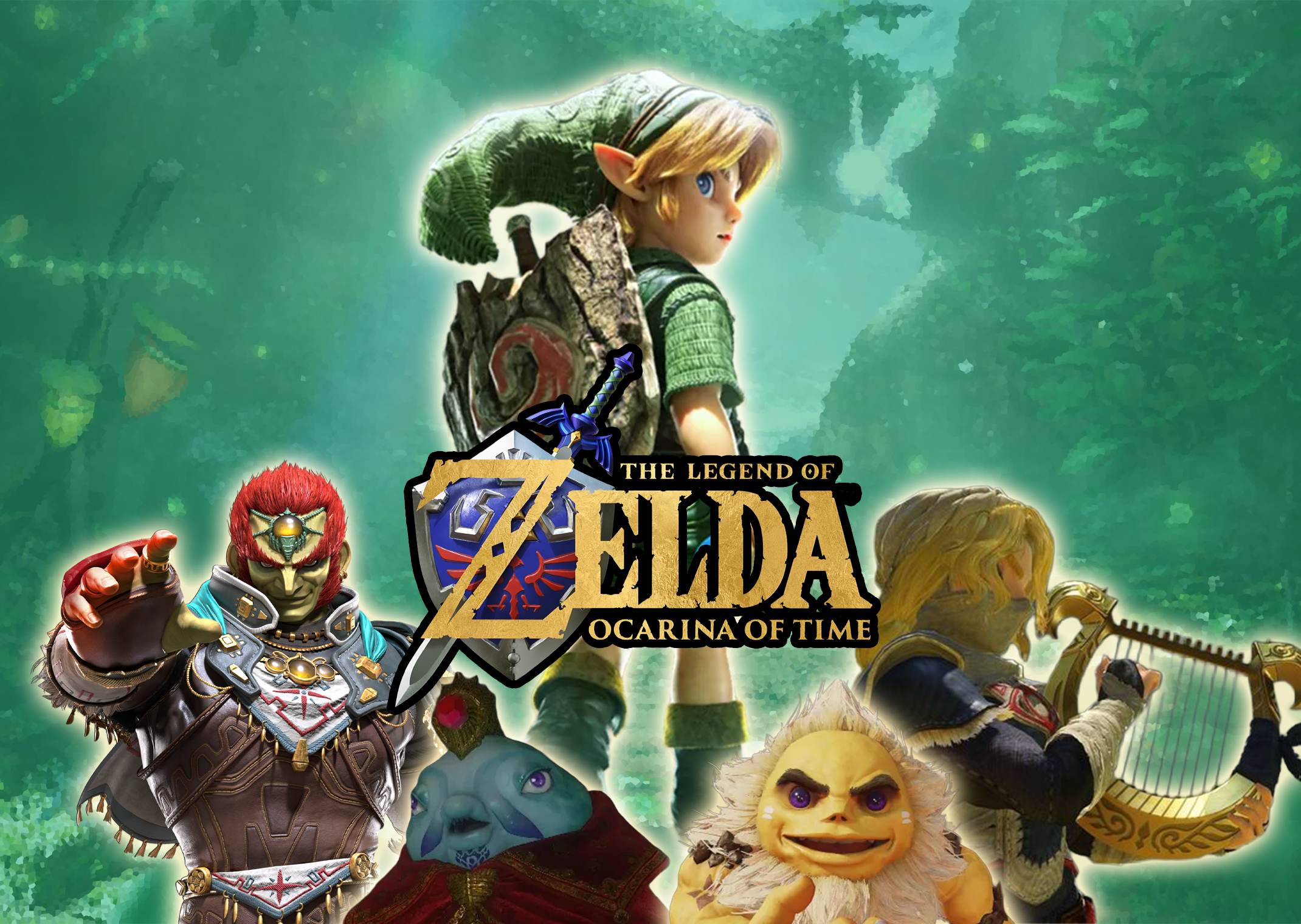
A few hours into playing The Legend of Zelda: Ocarina of Time remake for the Nintendo Switch 2, a very specific memory from playing the Nintendo 64 original in 1998 came flowing right back to me that I had not thought about in nearly 30 years. It takes place during your first trek into Zora’s Domain as you’re trying to help King Zora find his daughter, Princess Ruto. After finding an item that will convince King Zora to move and open up the gate to the dungeon/giant ass fish where Ruto is located, a cutscene plays where the King scoots over.
But unlike other moments in the game when a new path opens and the iconic Zelda chime plays to lead you to the next section immediately, the King’s scooting takes nearly 30 seconds. It is such a momentum breaker that you can’t help but admire the dedication to the bit. In that time, the King goes from funny to unfunny to annoying and back to funny all over again. It may have been the first instance I experienced the overlong joke trope, and I loved it as much, if not more, than in 1998.
The original Legend of Zelda: Ocarina of Time is widely considered one of the greatest video games of all time and a must-play for anybody who is interested in exploring the history of the medium, not unlike when a burgeoning movie fan goes back to the classics that were made before they were even born.
While Nintendo did release a remastered version for the Nintendo 3DS in 2011 that fixed some of the game’s rougher edges and took advantage of the system’s dual-screen setup, it was still fresh in the collective memory. It was tailor-made for people who had not played the original, but for those who were itching for a modern update, they had to wait a year or 15.
The 2026 version of Ocarina of Time feels like the idealized version of a homecoming. When people go back to the town or the home that they grew up in after years, if not decades, away, the return rarely lives up to the hyped image that’s been building in their minds. People have moved on, familiar haunts are closed, and the roads don’t feel the same way that they used to. The Ocarina of Time remake is that hyped up image that surpasses what it was really like back in the day and even conjures up things that didn’t actually happen in the past but fit right in.
Whether it was intentional or not, Nintendo could not have picked a better game to drop for the 40th anniversary of the Zelda franchise. With a live-action movie set to drop next year, the Ocarina of Time remake manages to satisfy almost every type of Zelda fan, unless you’re the creator of the excellent Ori and the Blind Forest and you missed the point of a remake. It’s like being mad that Jordan Brand made a perfect retro of a classic silhouette and being upset they didn’t give it the Opticast upper of the Nike Caitlin 1.
What To Expect In The Ocarina Of Time Remake
The top-level take is that the Ocarina of Time remake brings the 1998 classic to the modern era without sacrificing its spirit. There’s no way to get to the Ganondorf finale (“spoiler”) within an hour of waking up Link for the first time. A princess needs to be met, stones need to be collected, and strangely affecting goodbyes need to commence in order to hop through time and back. It’s an open world in the sense that you can bumble your way to the red tunic before even stepping foot into the Forest Temple, but you need to get through said Forest Temple and others before your new drip becomes useful beyond looking cooler than the standard issue green.
The changes to Ocarina of Time are not as simple as the remake of Halo: Combat Evolved that’s part of the Master Chief Collection where you can toggle between the original visuals and the update at the press of a button. Hyrule Castle Town is no longer Link walking around JPEG backgrounds moving from one screen to the next like it’s a slideshow; the area is now in full 3D that you can explore with the camera trailing Link as he plays mini-games and completes side quests.
Hints that made areas that were a little difficult to decipher, like The Lost Woods, now fill up the screen with an obviousness that makes them hard to ignore. Seconds that added up to minutes that became hours that were lost to navigating menus because you wanted to swap weapons have been streamlined thanks to an adoption of the item bar that was used in Breath of the Wild and Tears of the Kingdom.
The addition of a quest log makes side quests easier to track, unlike the original, where you could easily forget any number of things that you could be doing to increase your heart container count. Voice acting is a controversial topic in the Zelda fandom, but being able to hear and feel the emotions coming out of certain characters not named Link gave them a depth that couldn’t be achieved from just reading them on the screen. I never mistook Ganondorf for an anime villain, but after hearing him monologue in Japanese, he’s right up there with the best of the worst (positive).
When the game was first revealed earlier this year, a lot of internet space was spent on Young Link’s persistent “just got out of the pool” appearance. Never mind that Kokiri Forest looked damn near like a dream and that first pan out to Hyrule feels just as exciting as it did back in 1998 despite the map being a fraction of a percent of a decimal of the size of Tears of the Kingdom; people could not get over Young Link looking like a kid who needs a towel with him at all times. The full game won't sway those naysayers, but they are denying themselves the power of excellent art direction.
Despite the Switch 2 lacking the horsepower of the PlayStation 5, Ocarina of Time outlaps a good chunk of its competition with phenomenal atmosphere and a framerate that never lets up. The real shame from that discourse is that there was less time dedicated to the stunning Koji Kondo score that fills the world with the aforementioned homecoming vibes. It sounds beautiful to those hearing it for the first time, but it’s strangely comforting to those who spent more than a few hours trying to find the last Gold Skulltulas without a guide. The running gag of people pouring one out for all the homies lost in between Grand Theft Auto 5 and 6 hits a little different when it’s almost 30 years between Ocarina of Times (no offense to the 3DS version).
A gamer who only knows the 3D Zelda series of games through Breath of the Wild and Tears of the Kingdom might find any version of Ocarina of Time limiting. What may have felt like an endless world of possibilities in 1998 now feels like a mostly straight line with twists that don’t veer too far off course after decades of games inspired by the OG took the ball and ran with it. The early hand-holding is far from the egregious openers of Twilight Princess and Skyward Sword, but it’s easy to see someone who might have grown up enjoying and appreciating one particular house style not vibing with the original that birthed what they love today.
One aspect that definitely should have taken more from the modern games is the sword combat, as the lack of parrying/perfect guard and the flurry rush makes some battles feel less entertaining. Understanding that it is a remake and not a reimagining can help bridge the gap, but ultimately there will be a not-insignificant number of people who will, in good faith, fairly wonder why the old heads fawn over this game so much.
The Rating: 5 out of 5 stars (but slightly below the original)
In every form of media that I’ve had the privilege of engaging in, I’ve said on record that the Nintendo 64 version of The Legend of Zelda: Ocarina of Time is the greatest game ever made. At that moment, I did not think a game could look, sound, and play any better. The preceding 30 years have proven me wrong, as games have looked, sounded, and played better than the OG Ocarina, but none of them made me feel they were the greatest in the same way, and that includes this new Switch 2 remake.
It’s not unlike the feeling of wearing Kobe Protros years after hooping in the original. Nike may have done a great job in bringing some Protros to the modern era, but they will never be able to recreate that “feeling” of freedom in wearing low tops on a basketball court in 2009 because Kobe said it was ok to do so, even without ankle insurance. Nintendo undertook the unenviable task of modernizing a GOAT game and exceeded what was expected. But no matter how “perfect” The Ocarina of Time remake might be, it can never defeat the big boss of the nostalgia of playing the original as a kid without a care in the world.
From video game journalism to veteran of the sneaker blog era to podcasting about well, everything, Juan is smiling through it all and can't believe this is his life. His current hot take is that people are really underrating the Psyduck trading card market. Email: juan@soleretriever.com Instagram | Twitter | Bluesky | Threads : @ezyville