Stolen Shoes, Backdooring, and Train Heists: It's All In the Game
PublishedQuick Facts
- From longtime sneakerheads to the hordes of COVID-era newcomers, everyone is certain they deserve a fair opportunity to cop
- At the brands, management and collaborators want to control the drops, drive hype, and keep the profit flowing, which seems fair enough
- But as the old saying goes, no one ever said life was fair
This content may contain affiliate links. If you make a purchase through these links, we may earn a commission.
I fear we’ve lost the plot.
The world has changed a lot since sneaker culture first emerged from basketball courts, skate spots, drunken bar nights, and retail stockrooms. More than just e-commerce, the boom and bust of the resale storefront, and the explosion of licensed collabs, This Thing Of Ours going mainstream has turned the sneaker game a little soft.
Forgive me for stating the obvious, but the limited-edition sneaker market is driven by scarcity. That means there aren’t enough pairs to go around. With that in mind, the next step in the equation shifts to who gets the pairs and when. That, my friends, is where the confusion lies.
From longtime sneakerheads to the hordes of COVID-era newcomers, everyone is certain they deserve a fair opportunity to cop. At the brands, management and collaborators want to control the drops, drive hype, and keep the profit flowing, which seems fair enough. But as the old saying goes, no one ever said life was fair.
Whether it's Action Bronson complaining on Instagram about a heist of his New Balance collab or social media commenters railing about backdooring and missing drops, the industry seems to have lost sight of the “counter” part of the counter-culture that spawned the modern sneaker industry in the first place.
It’s Called Streetwear, Not Suitwear
From Polo to Nike, the get fresh lifestyle was built on the back of boosters and less-than-legal cash. Listen to any old head talk about the good ol’ days of sneakers, and they’ll wax poetic for hours about the drug dealers and hustlers who inspired them to find their own personal style. For Bronson, who spoke to his phone’s camera like a stern vice principal when announcing that people who copped early pairs of his blue Baklava 2811 were “buying stolen property” that was not “verified or authenticated by me,” I ask that he take a long look back at photos of his young self in endless Polo and honestly recall if the horses all came with receipts. I doubt it, but also, who cares? Certainly not Ralph.
Train hold-ups? Warehouse shenanigans? I’m sorry, but if you feel personal pain for the shareholders at a sportswear brand getting finessed by modern-day train robbers and minimum wage hustlers, you might need to rethink why you got into sneakers in the first place. I’m not asking you to stake out your local train yard, seek out stolen pairs or even feel bad when the small-time crooks get caught; I’m just asking you to put the people who do and the resulting sneaker shuffle in the context of the culture that produced the shoes in the first place.
The Backdoor Shuffle
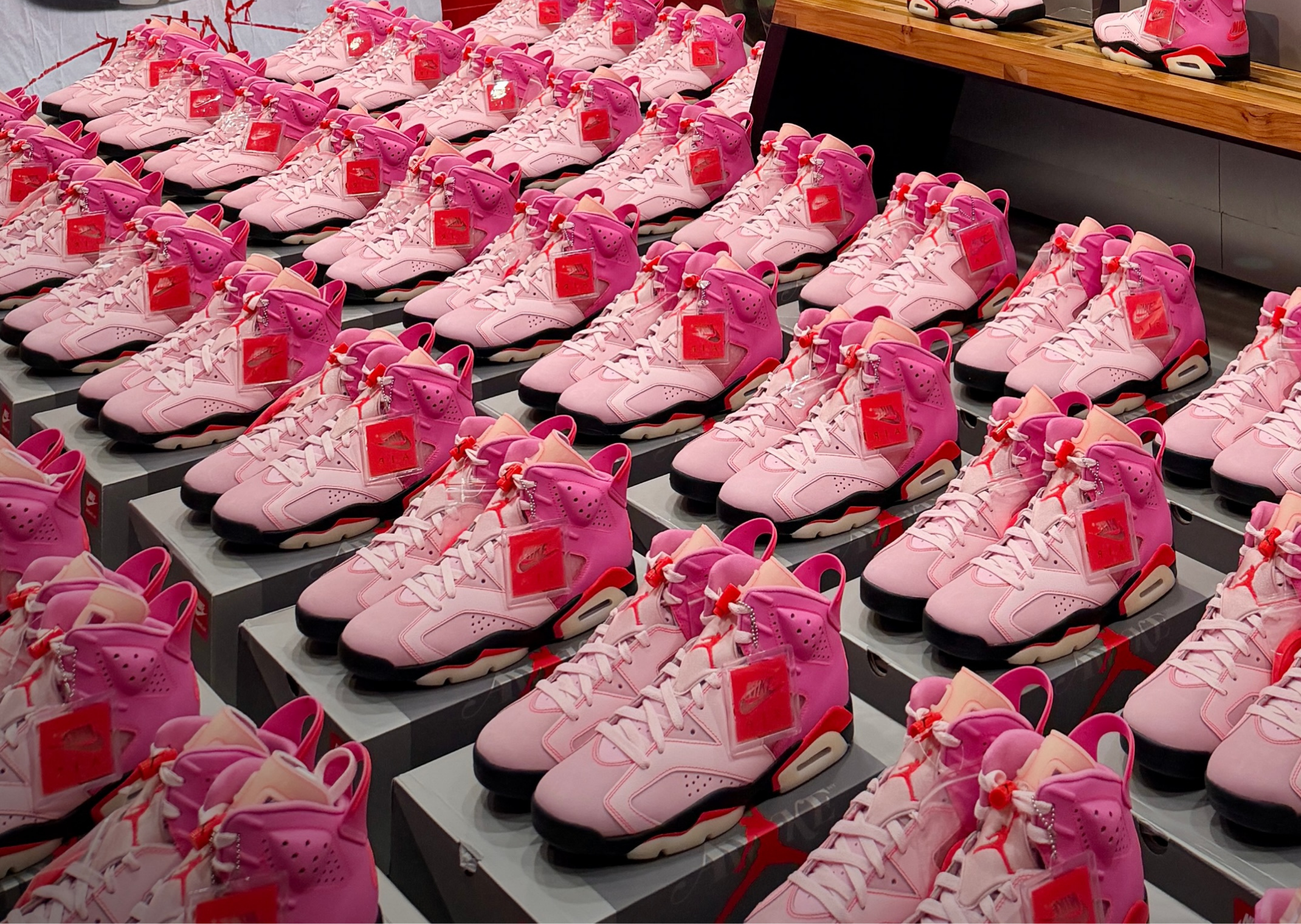
As for the sneakerheads who lost out on pairs of the pink Awake 6 or pink Travis 1 and blame it on boutiques backdooring their limited stock, we can split those into two categories, but at the end of the day, accepting both comes down to the same general principle as shrugging off the train-snatched or warehouse-diverted pairs that skipped retail altogether.
First, you have shops that backdoor pairs to employees, friends of employees, and local resellers. You might not want to hear it, but if you aren’t included in your local shop’s first pick list, that’s on you, not on them. Everyone in the sneaker space loves to talk about community in marketing copy and social captions, but at small sneaker shops, community is friends stopping by to help you beat the monotony of retail and the guy at the restaurant a block down who hooks up free burgers every once in a while.
Show your face, hang out, become friendly with the people who work at your local shop, and who knows, every once in a while, just maybe, that hard-to-cop pair will be easier than finding white-on-whites at Foot Locker. Local sneaker scenes are about relationships. Build some.
The second kind of backdooring is less personal. When shops can get higher prices for limited releases than retail sales allow, they’ve been known to flip full-size runs to resale shops, driving early release hype and leaving retail raffle entrants shit outta luck. At the end of the day, though, the brands have to take some blame for that. It was the brands that launched direct sales on limited drops to undercut the shops and instill buying minimums that stick retailers with unsold SKUs while they wait for the next collab or exclusive. Keeping a small sneaker business afloat is hard, and like it or not, taking 20 pairs out of raffle rotation is far from the end of the world.
Culture Isn’t Just a Buzzword
Boutique sneaker shops and skate shops built the culture side of the industry, and if they continue to go out of business (RIP Wish ATL, and so many others), not only will it eliminate their collabs, in-store events, and you know, the ability to try on a shoe before you buy it, it will also push us to rely even more on SNKRS, Confirmed, and the rest of the brand-owned apps. If your version of sneaker culture can be contained to apps, I question what you really care about in the first place.
On Instagram and TikTok, sneaker culture is interchangeable with Pokémon cards and Labubus the same way it was NFTs and cryptocurrency, but before there was a stock market of sneakers or zombie malls feeding off Bearbrick-lined resale store rent, the obsessive corner of the shoe industry existed to employ graffiti artists, skaters, failed high-level hoopers, and other 9-5 rejects and hopefully express some artistic creativity in between.
There’s no fix for shady dealings in the hype sneaker world because the hype sneaker world was built on shady characters; but that’s why the industry is full of so many good stories. The best part for you, though, is that the worst thing that can happen is you miss out on a pair of shoes at retail, and in the grand scheme of things, that’s not so bad.
Zach Harris is a writer based in Philadelphia. His work has appeared in Rolling Stone, Vice, Complex, High Times, and more. He is obsessed with skateboarding and bowling. He is still looking for his first 300. For tips, reviews, and anything in size 10.5 - zach.h@soleretriever.com