Vans Sizing, Fit, and Comfort Guide
PublishedThis content may contain affiliate links. If you make a purchase through these links, we may earn a commission.

If you were into skateboarding as a kid, still skate today, or didn’t grow up under a rock, you’re quite familiar with Vans. The Southern California-based skate shoe company has become a certified staple in the wardrobes of streetwear lovers and the general population, all while still catering to its hardcore skater crowd.
Your first thought might be the Checkerboard Slip-Ons worn by Spicoli in Fast Times at Ridgemont High, and while Sean Penn’s character most definitely cemented the brand as a pop culture staple, there is much more to Vans than a pair of Slip-Ons. But before we delve too deep into the Vans sneaker sizing across different silhouettes, let’s talk about the history of the brand.
History of Vans
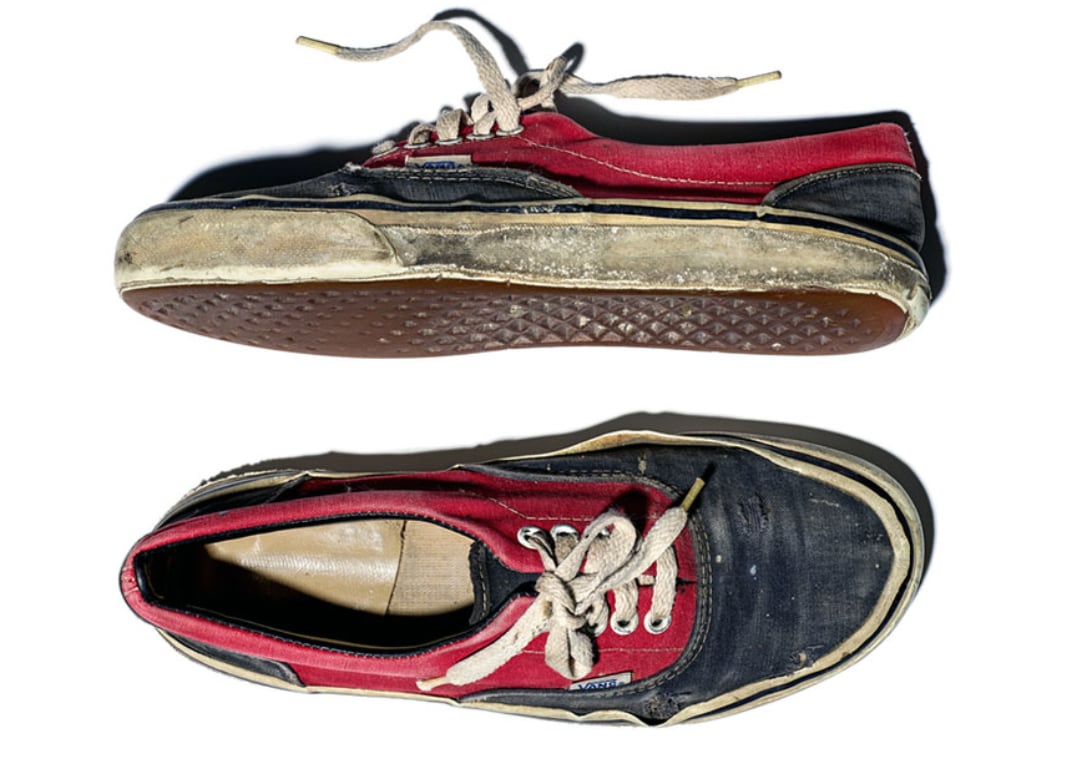
Image via Smithsonian
Brothers Paul and James Van Doren partnered with Gordon Lee and Serge Delia to create the Van Doren Rubber Company in Anaheim, California on March 16, 1966. At first, the Van Doren Rubber Company manufactured shoes and sold them directly to customers, strategically placing their retail storefronts close to factories to cut down on wholesalers and distributors. In the early days, customers could come in and get ultra-personalized care, including replacing single shoes or changing the fabric on the upper to their liking.
The first shoe produced by Vans was the Style 44, which we know today as the Vans Authentic. Skaters took a liking to the shoes thanks to the grippy rubber outsole, which provided great boardfeel. That, paired with the company’s policy of selling single shoes, helped make Vans the go-to shoes for skaters in Southern California.
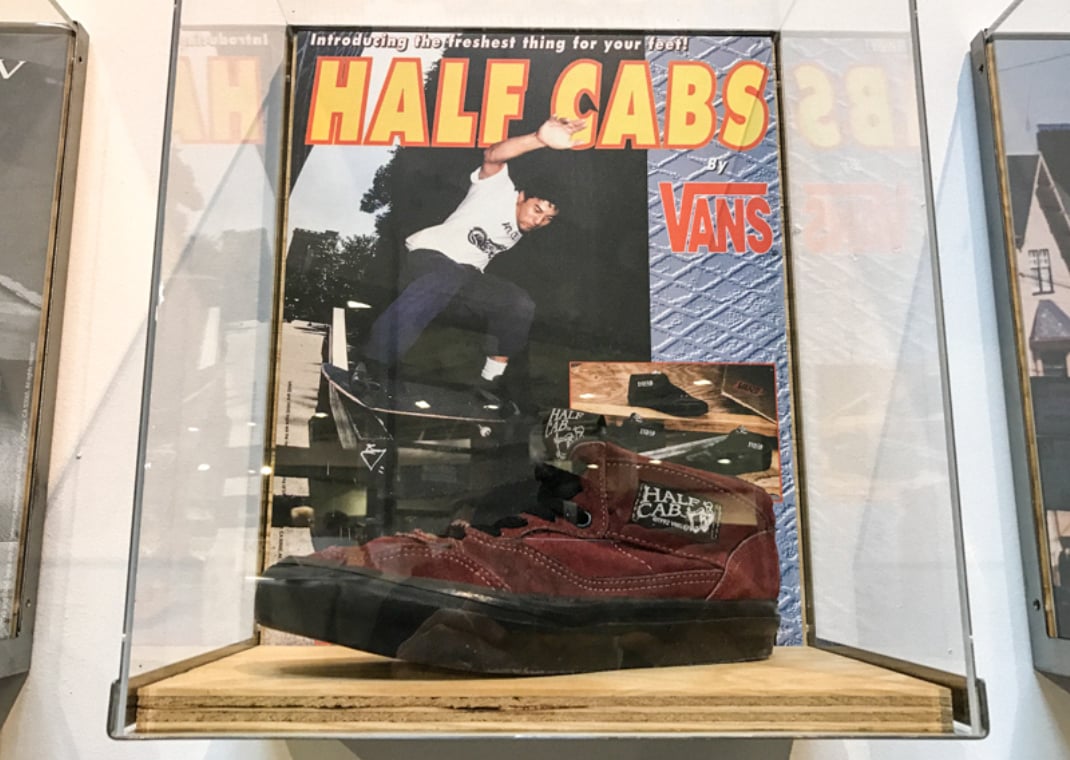
Image via abriefglance
Over the next few decades, Vans would partner with legendary skateboarders like Tony Alva, Stacey Peralta, Steve Caballero, and more to help inform design details on new models. This includes the Vans Era and Vans Old Skool, with Steve getting his own signature sneaker, the Caballero. After noticing that some skaters were cutting down the high-top shoe, Vans began to produce a mid-top version known as the Half-Cab, which is still a major model in the company’s lineup.
Vans would introduce the famous side stripe, known as the “jazz stripe,” in 1977. The doodle was drawn by founder Paul, and after premiering on the Old Skool (then known as the Style 36), it became a staple part of the brand’s identity.
The moment that catapulted Vans into the mainstream and not just the SoCal skate scene was Sean Penn’s character in 1982’s Fast Times at Ridgemont High, Jeff Spicoli, wearing the Vans Slip-On in the black and white checkerboard colorway. After the movie was released and the public saw the checkerboard-covered kicks, Vans’ revenue doubled.
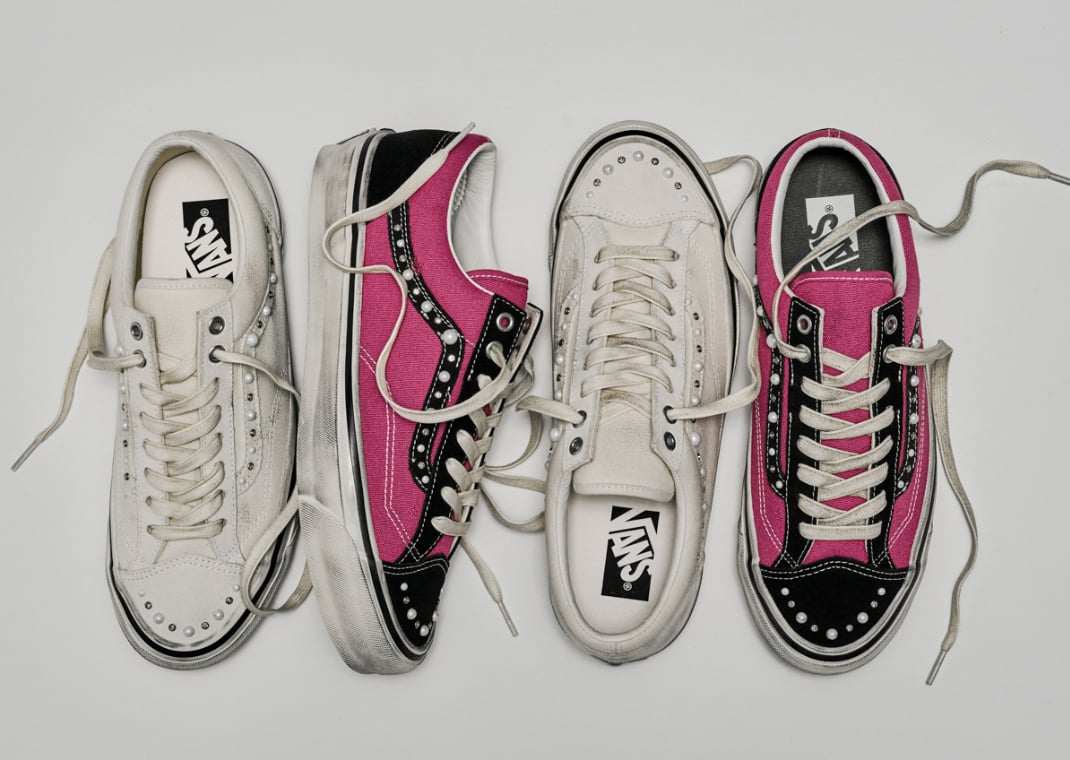
Plenty of new models, upgraded versions of classics, and collaborations have been released over the years. In recent times, Vans exploded in popularity with the Vans Souvenir Pack, a new take on the Old Skool 36 that takes inspiration from the Chanel On The Pavement Messenger Bag. A variety of different high-fashion-inspired remixes have become common for Vans, and on top of that, gemstones, rhinestones, and jewels stamped onto the canvas upper have become highly sought after.
While there is much more to be said about Vans’ history and the shoes they’ve produced, it’s time we get into sizing info for Vans sneakers. Check below for sizing guides on the most popular Vans shoes on the market.
Vans Authentic Sizing
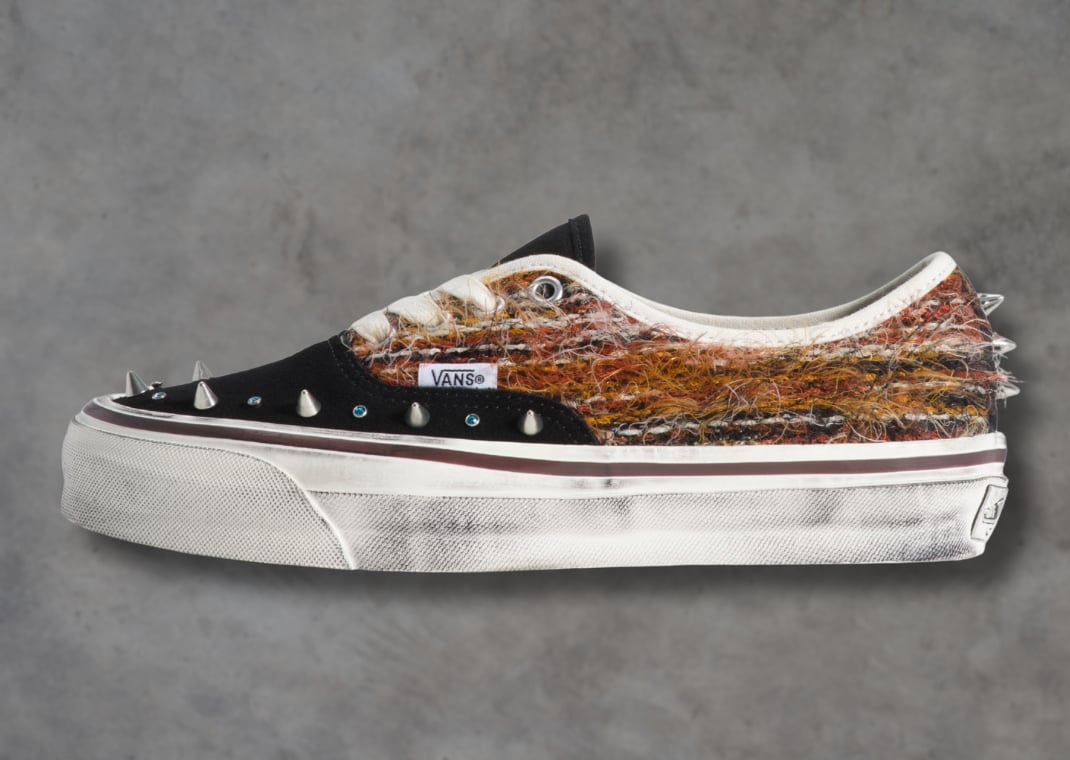
The very first Vans sneaker, the Vans Authentic features a canvas upper, vulcanized rubber midsole, and a waffle pattern rubber outsole. Even decades past its original release in the 1960s, the Vans Authentics still run true to size. Those with wider feet may want to go up a half size, though in most cases true to size will still be ok.
Vans Old Skool Sizing
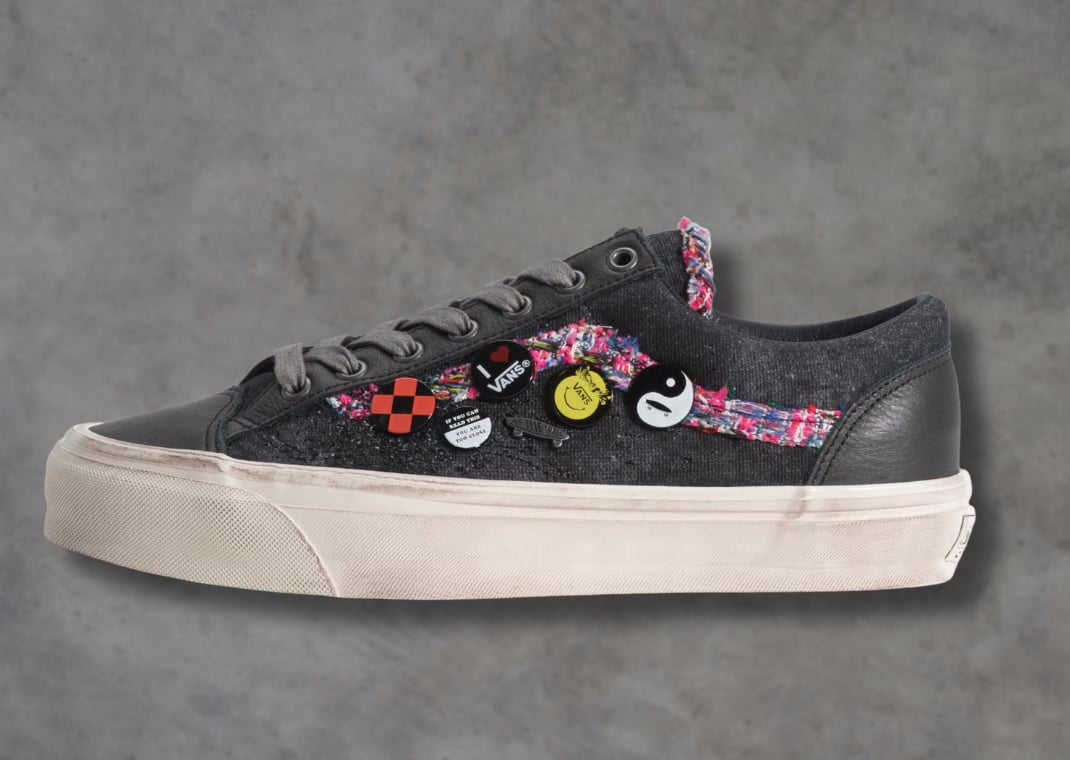
While the Authentics was the first shoe released by Vans, the Old Skool (formerly known as the Style 36) was the first shoe designed for skateboarding in mind. The fit of the Old Skool is a bit larger than other shoes, so we recommend going down a half size. In some instances, you may even want to go down a full size. Luckily, you can find Vans Old Skools in plenty of retailers, so it’s best to try a pair on in person to determine what size you’ll need.
Vans Classic Slip-On Sizing
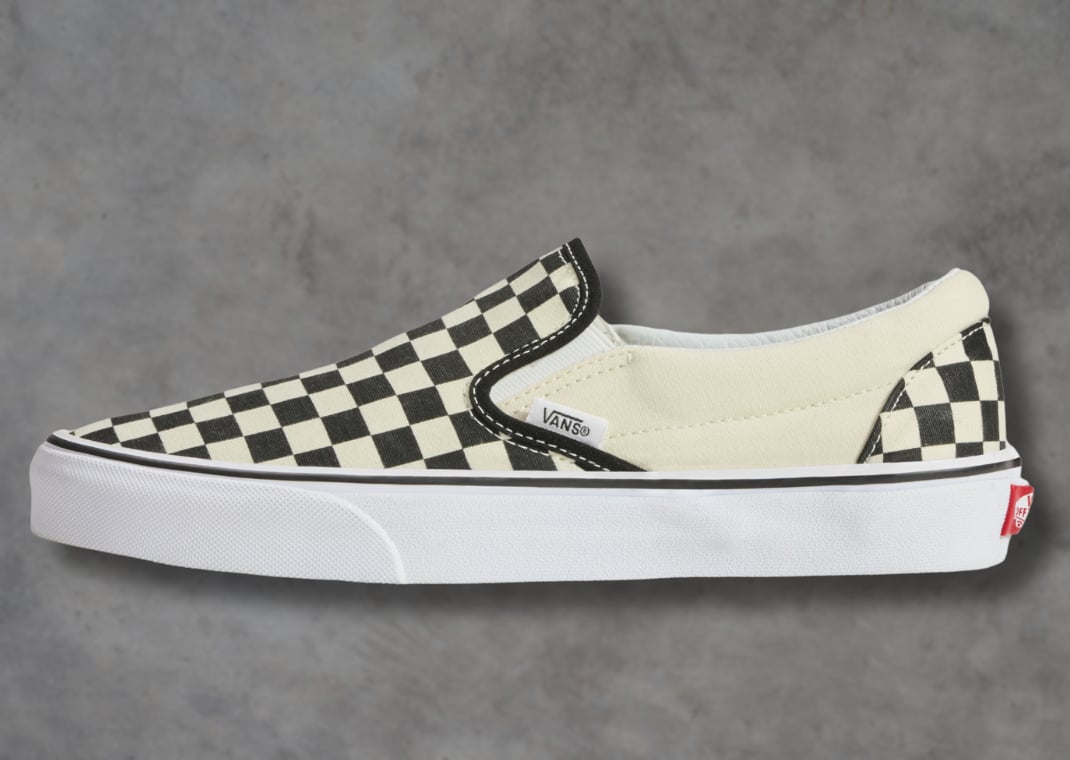
Since the Vans Classic Slip-On is laceless, the shoe will fit snug if you purchase it in your true size. We still recommend buying the Slip-On in your true size since over time the pair will stretch and mold to your foot, so going up a half size will result in a loose fit that won’t be great for wear after you break it in.
Van Half-Cab Sizing
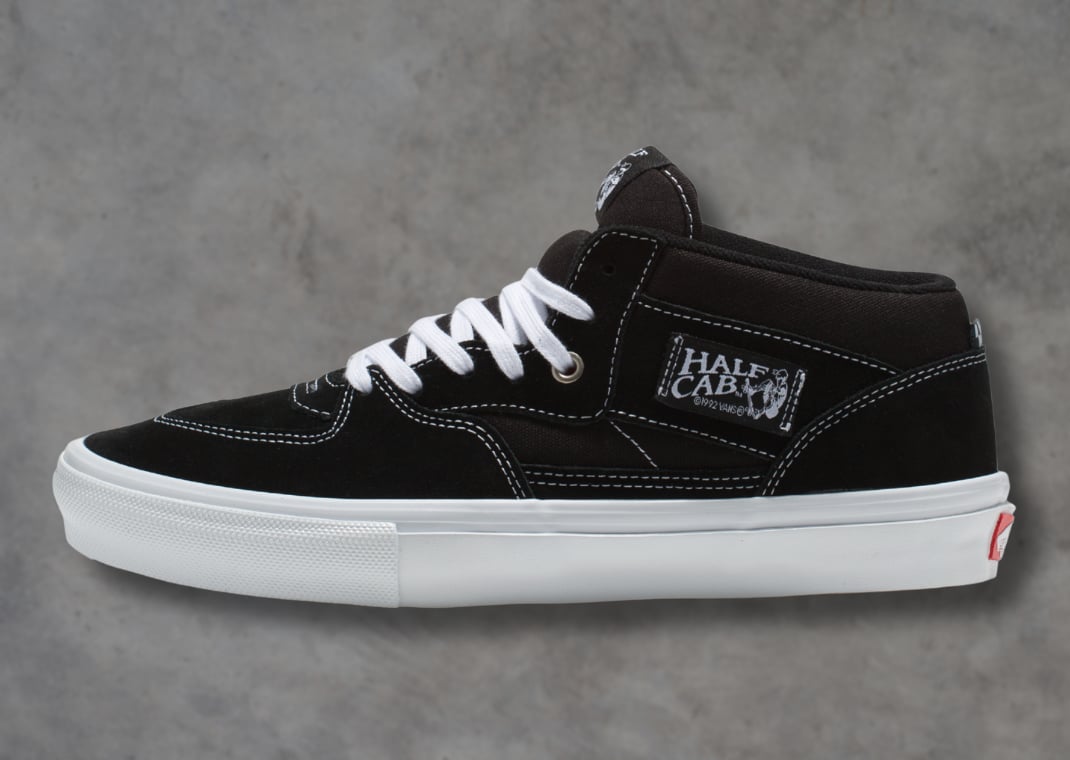
The Vans Half-Cab features a thick padded tongue and collar, providing great impact protection and cushioning for skateboarding. With the extra padding, some opt to go up a half size since it makes the shoe fit a bit snug. In general, the Vans Half-Cab does fit true to size, but if you’re not a fan of a tight and snug fit, going up a half size is not a bad idea.
Vans Sk8-Hi Sizing
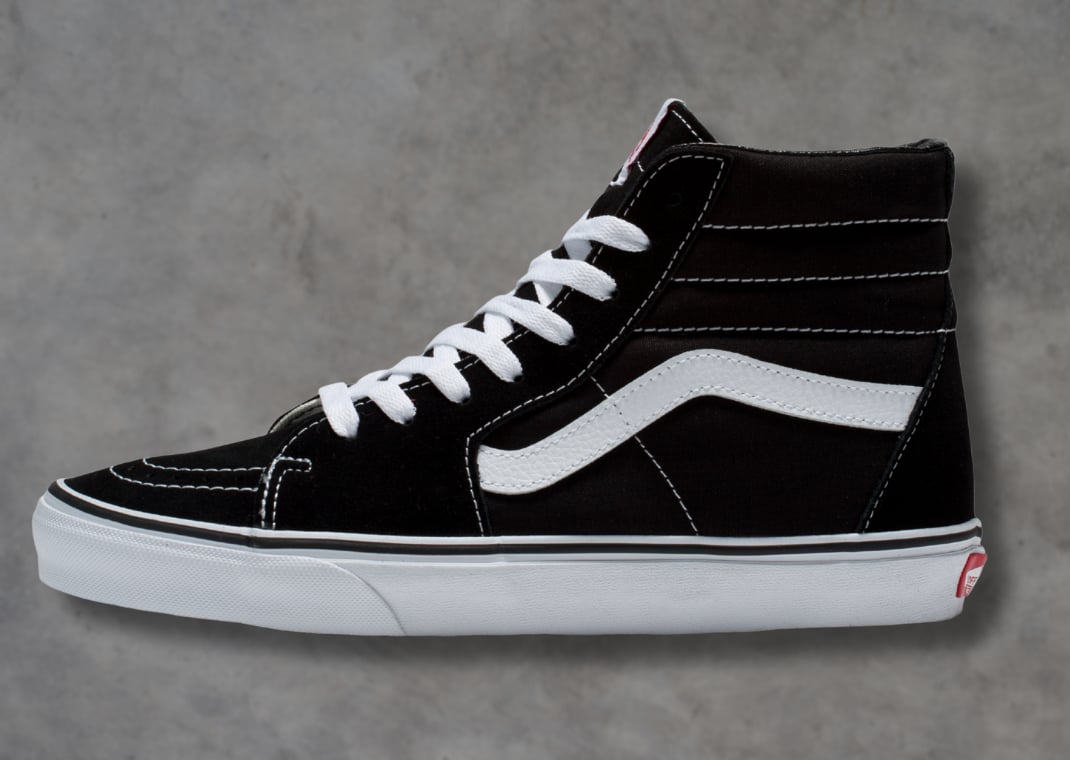
Originally released as the Style 38, the Vans Sk8-Hi fits true to size. Of course, with any high-top sneaker, it may be a bit of a task to put the shoes on, but if you loosen the laces, that will make the process much easier. Unless your foot is extremely wide, you’ll be totally fine going true to size on the Vans Sk8-Hi.
Vans Era Sizing
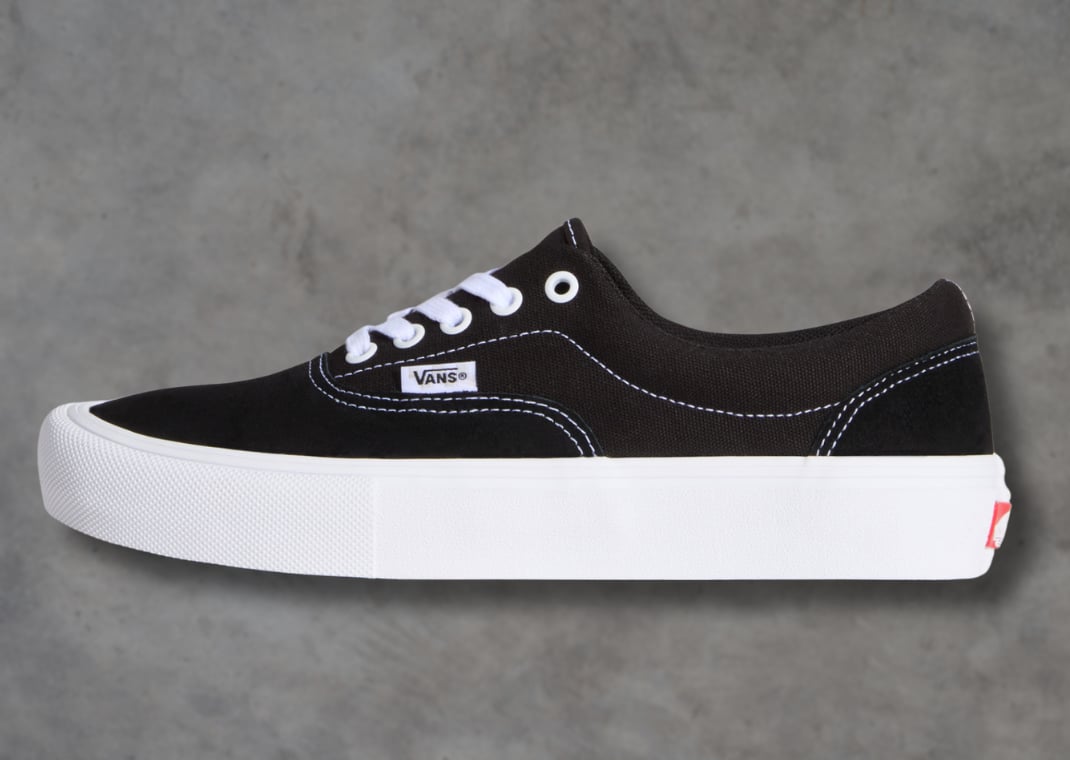
The Vans Era dates back to 1976, and over the last five decades, its fit hasn’t changed. You’ll be fine going true to size on the Vans Era, but note that it does have extra padding on the collar compared to models like the Authentic. If you’re looking for a bit of a looser fit, go down half a size, but in general, staying true to size is the best move.

Sneakerhead from South Florida who turned his passion into a career. When not writing for Sole Retriever, I enjoy watching films and discovering music. Follow me on Letterboxd @nickvlah For tips, reviews, or any shoes in a size 13, email nick@soleretriever.com